

Creating Habitable Terrain on Mars: Crater Paraterraforming
Concept: Obayashi Project Team
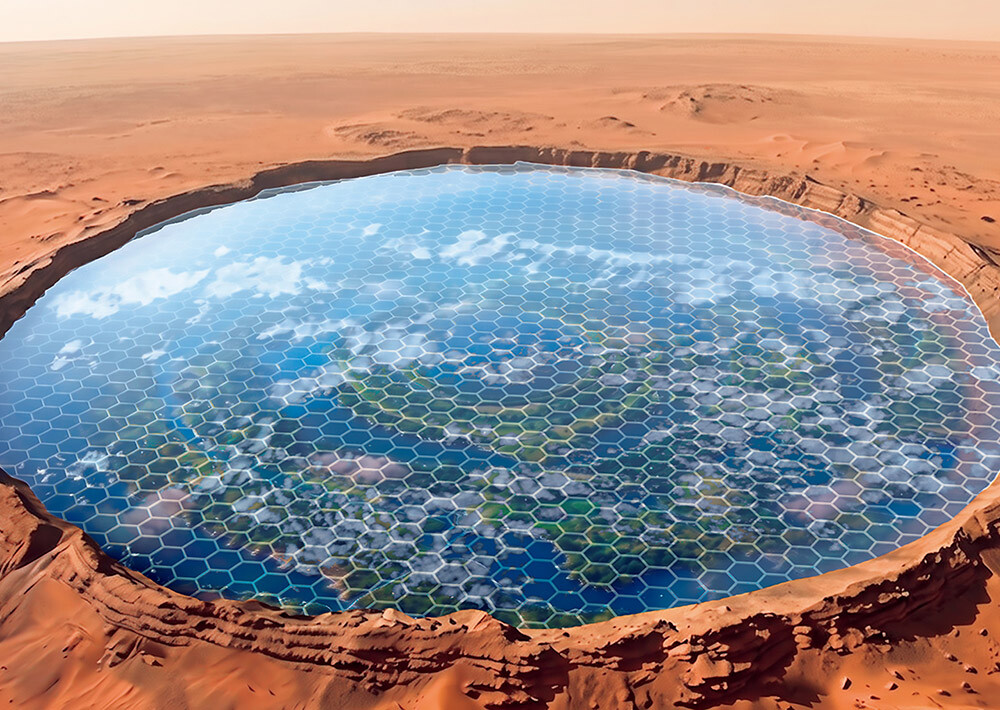
3. The Greening Plan—A 200-Year Scenario for the Development of an Ecosystem
Preconditions for the Introduction of Life
The greening plan for paraterraforming is designed with the history of the emergence of life on Earth as its model. The genetic and physiological characteristics of organisms are examined in order to identify species capable of surviving in simulated environments replicating those of primordial Earth and Mars.
The transport of life from Earth to Mars would be limited to cellular organisms, such as bacteria, algae, and plants, while viruses would not be introduced. Together with digital DNA data derived from genomic analysis of each species, these organisms would be transported into orbit via a space elevator and then carried to Mars by transport spacecraft. On Mars, organisms would be propagated using the DNA data in combination with locally available organic materials. The need for costly material transport could be minimized, while the latest genome-editing technologies would be employed to ensure sufficient genetic diversity and thereby reduce the risk of extinction resulting from reliance on a single lineage. Furthermore, by adopting artificial cellular forms whose propagation and functions are controlled, the introduction of viruses and unforeseen biological activity could also be constrained.
Construction of Water Basins and Canal Networks
The primordial Earth contained no oxygen. For this reason, the first organisms introduced in the terraforming process would be species capable of surviving in the absence of oxygen.
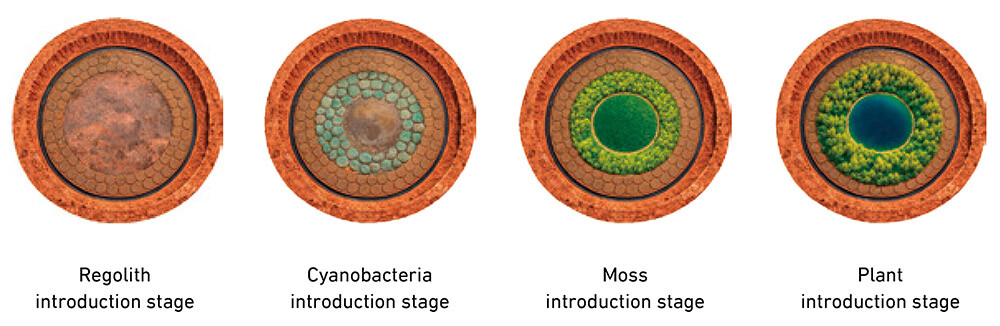
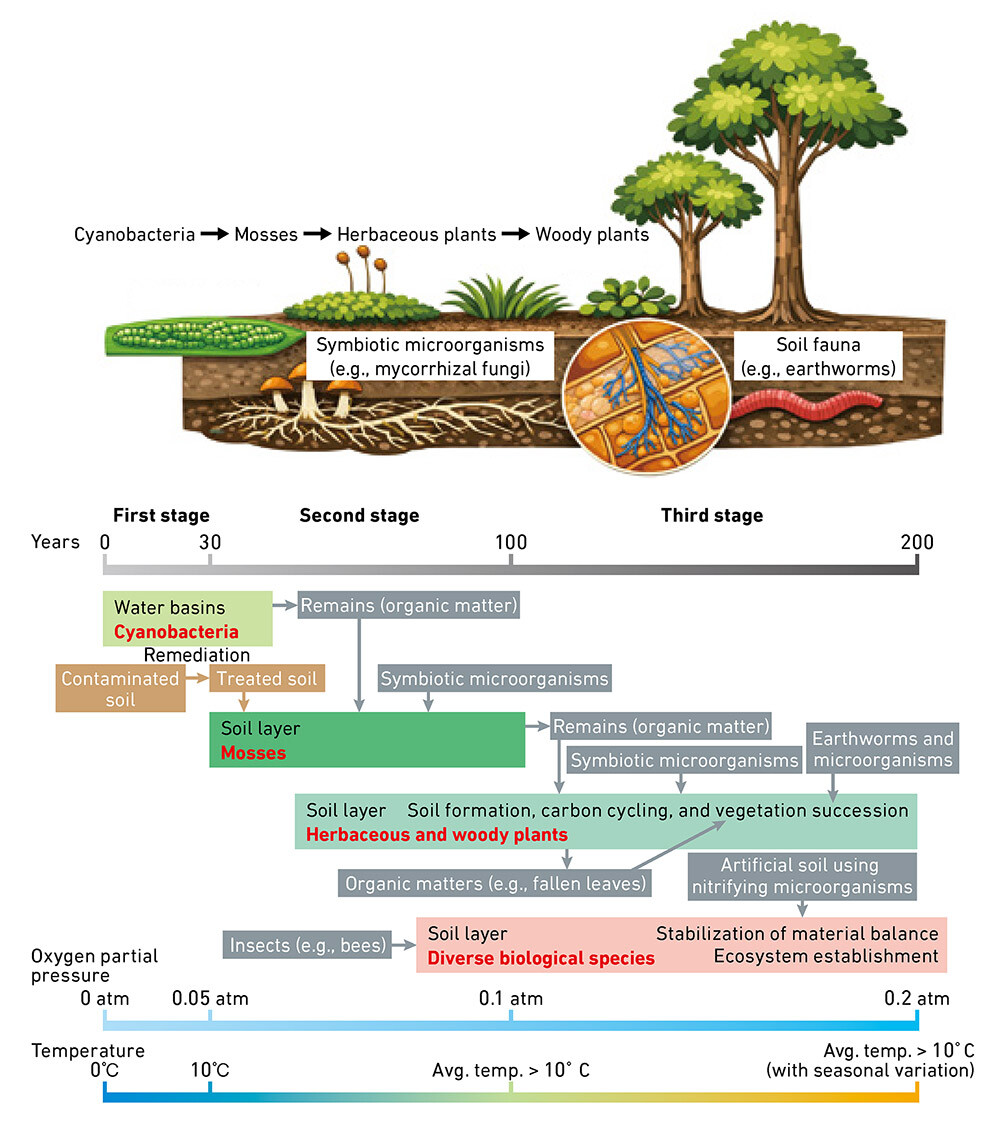
The first stage (Years 0-30) involves the introduction of cyanobacteria. Also known as blue-green algae, these microorganisms first appeared on Earth roughly 3 billion years ago and were the first life forms to perform oxygen-producing photosynthesis. A familiar example on Earth is the algal bloom known in Japan as aoko, observed in lakes such as Lake Suwa and Lake Kasumigaura.
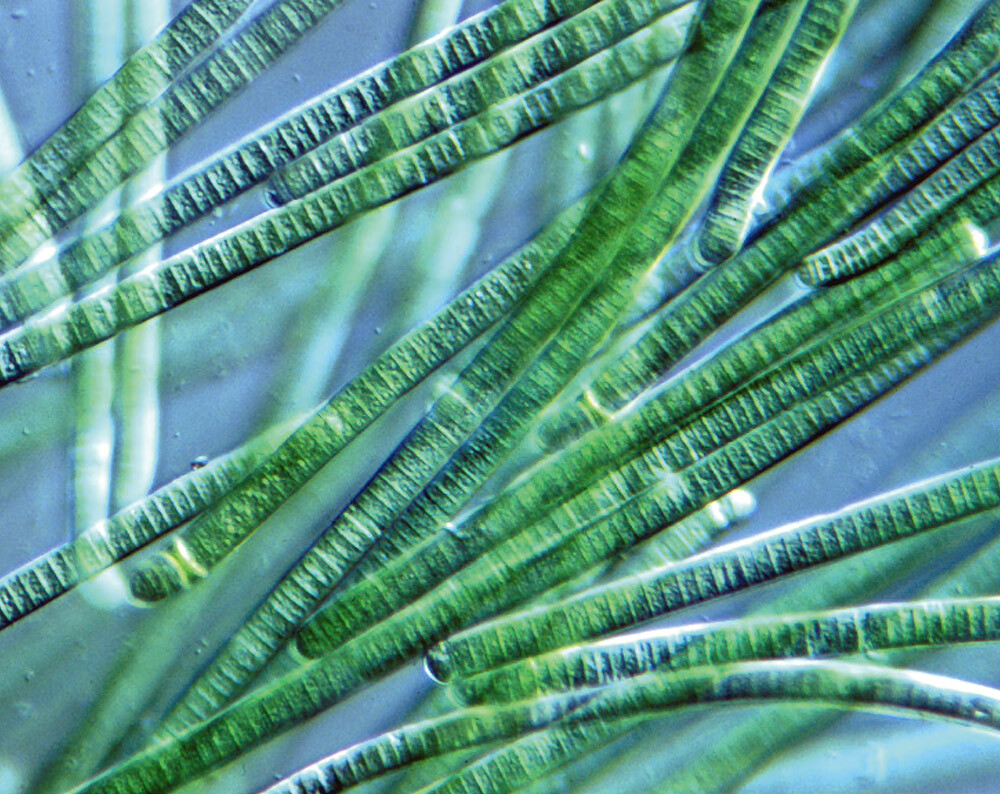
Prior to full-scale cultivation, a laboratory for algae testing would be established. Several dozen candidate strains of cyanobacteria and oil-producing algae transported from Earth would undergo trial cultivation, and species suited to the Martian environment would be selected. This preliminary screening process would be critical to the success of the 200-year greening plan. The selected algae would then be mass-cultivated in adjacent plants and dispersed into the water basins (bioreactors) primarily using drones, together with water enriched with phosphorus recovered on Mars.
[Schematic of a Water Basin (Bioreactor) for Cyanobacteria Cultivation]
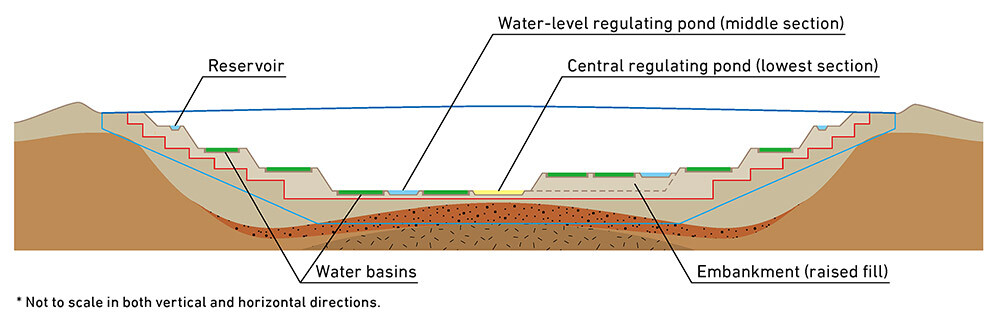
The water basins would be approximately 50 cm deep, a depth that allows sufficient light to reach photosynthetic organisms. Their bottoms and sidewalls would be sealed with an impermeable layer formed from a mixture of bentonite, a clay mineral found on Mars, and regolith, preventing water from seeping into the ground. Estimates suggest that roughly 2,000 such basins would be required across the crater. The water surface alone would cover approximately 70 % of the crater floor. Although sunlight passing through the canopy alone would be sufficient to support growth, supplemental illumination would be employed to improve the efficiency of oxygen production from photosynthesis. This illumination would be provided at night by transmitting light through optical fibers installed within the basins, using a combination of light-concentrating systems employing mirror satellites and fusion-generated power.
At this stage, the goal would be to raise the partial pressure of oxygen from 0 to 0.05 atmospheres.
Impermeable embankments would be constructed between the basins. The tops of these embankments would serve as roads, while networks of water supply and drainage pipes would be installed within them.
Arranged in terraces resembling stepped rice paddies, the water basins would extend from the outer rim of the crater toward its center. The basins would be supplied with water obtained by electrically melting subsurface ice deposits located outside the crater and conveying it into the crater through insulated pipelines. Once inside the crater, the water would flow naturally from basin to basin along the gradual change in elevation.
[Illustration of a water basin after construction]
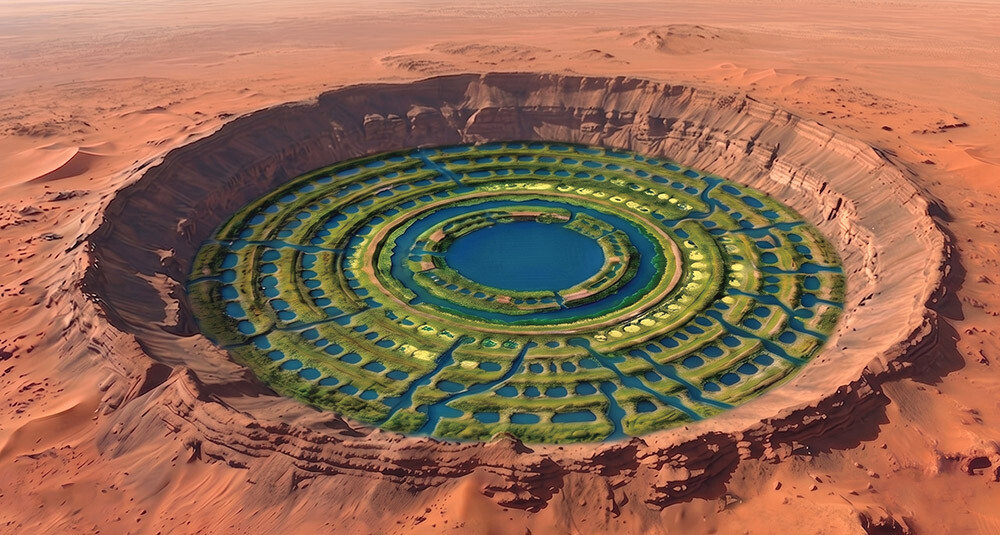
The canal network would include a ring-shaped reservoir positioned along the outer perimeter of the crater at the highest elevation, from which canals would connect to the individual basins. From this outer reservoir toward the center, a continuous flow of water—in effect, the first "river system" of Mars—would be formed. Linking basin to basin, the flow would pass through an intermediate water-level regulating pond before ultimately reaching a regulating pond at the center of the crater. This network would facilitate the centralized management of drainage during the soil remediation process, while also helping to prevent salt accumulation caused by evaporation-dominated conditions and excessive moisture resulting from poor drainage.
Formed from sodium and chloride ions generated during the perchlorate remediation process described later, sodium chloride would gradually accumulate in the regulating ponds, eventually forming a saline sea. In the future, these bodies of water would assume multiple functions, including climate regulation within the crater, fisheries activities, and recreation.
Introduction of Mosses
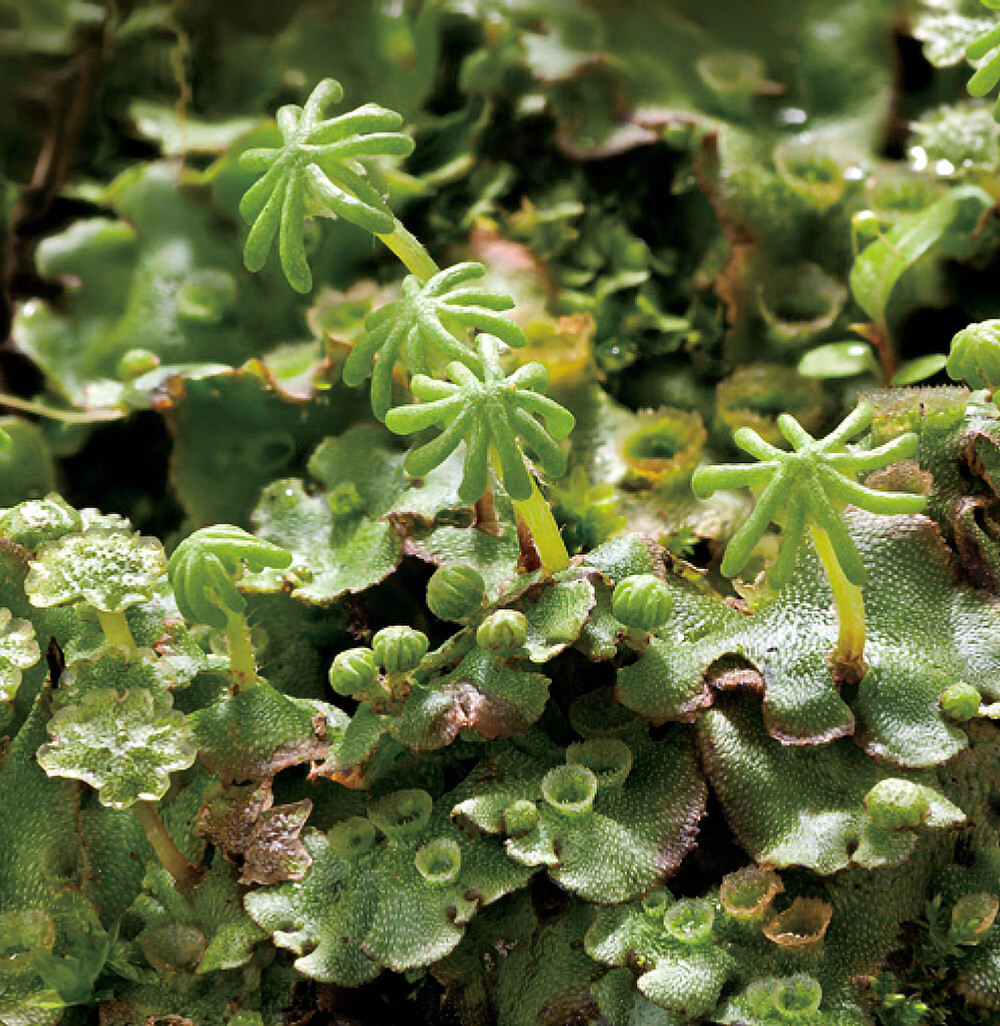
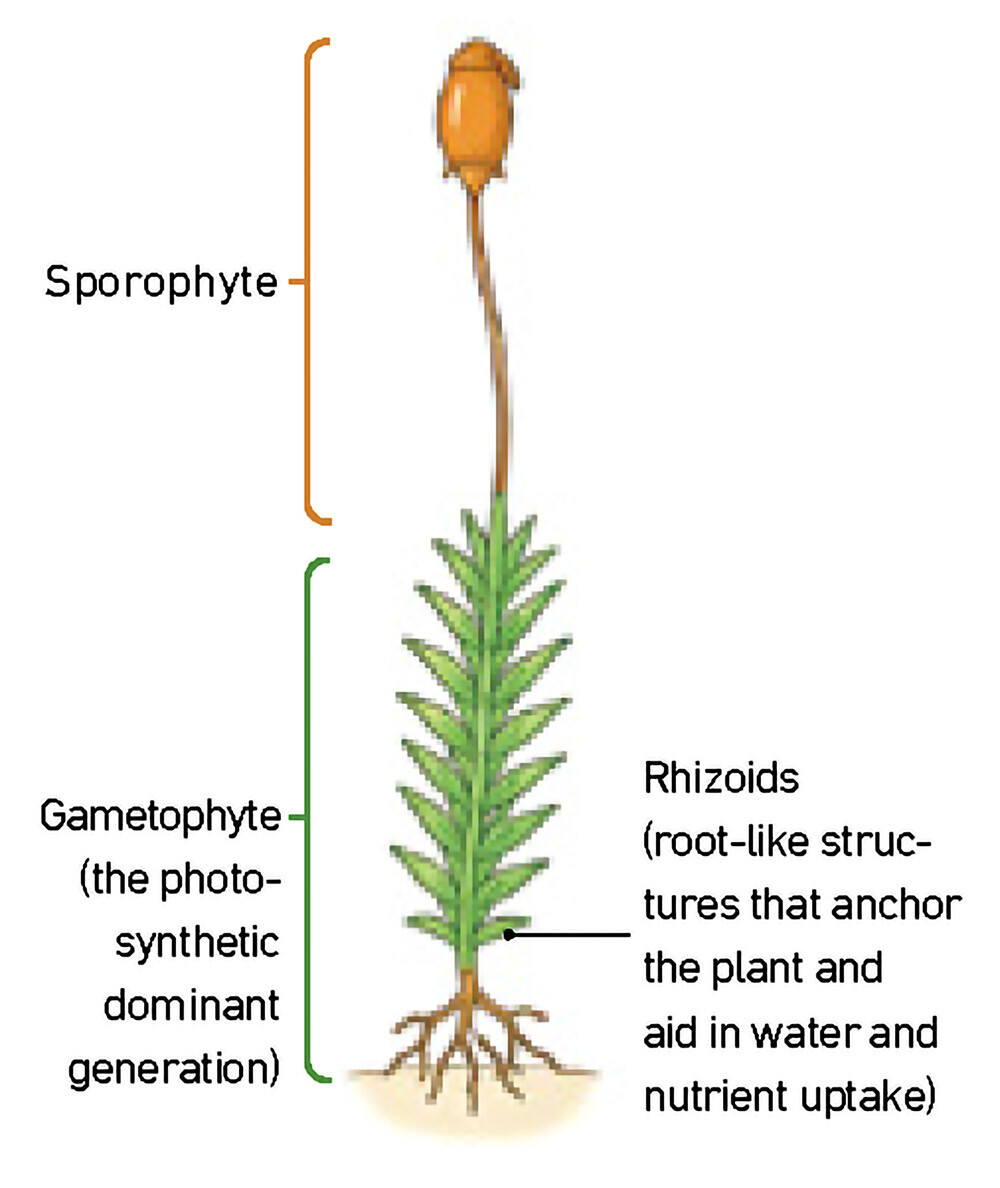
The second stage (Years 30-100) would mark the age of mosses. Lacking roots and absorbing moisture across their entire surfaces, mosses are capable of growing even in environments where soil has not yet fully developed.
In designing this phase, the project team looked to the ecological recovery processes observed after volcanic eruptions. Following the major eruption of Miyakejima in 2000, for example, mosses and lichens were among the first organisms to become established on the damaged terrain, after which plants symbiotic with nitrogen-fixing bacteria began to grow in the nutrient-poor volcanic soil.
Applying these insights on Mars, mosses would be introduced across approximately 50 % of the crater area, covering roughly 982 km2. Following the proliferation of cyanobacteria, the residual material would be collected and dried for preservation. The contaminated soil would then be remediated within the water basins, after which the residual material would be incorporated into the treated soil to create a soil substrate layer 0.5-1 m thick, into which mosses and symbiotic microorganisms would be introduced. At this stage, spray-application techniques originally developed for slope revegetation projects on Earth would be adapted for use on Mars. The partial pressure of oxygen would rise from 0.05 to 0.1 atmospheres.
The Era of Lush Herbaceous and Woody Vegetation
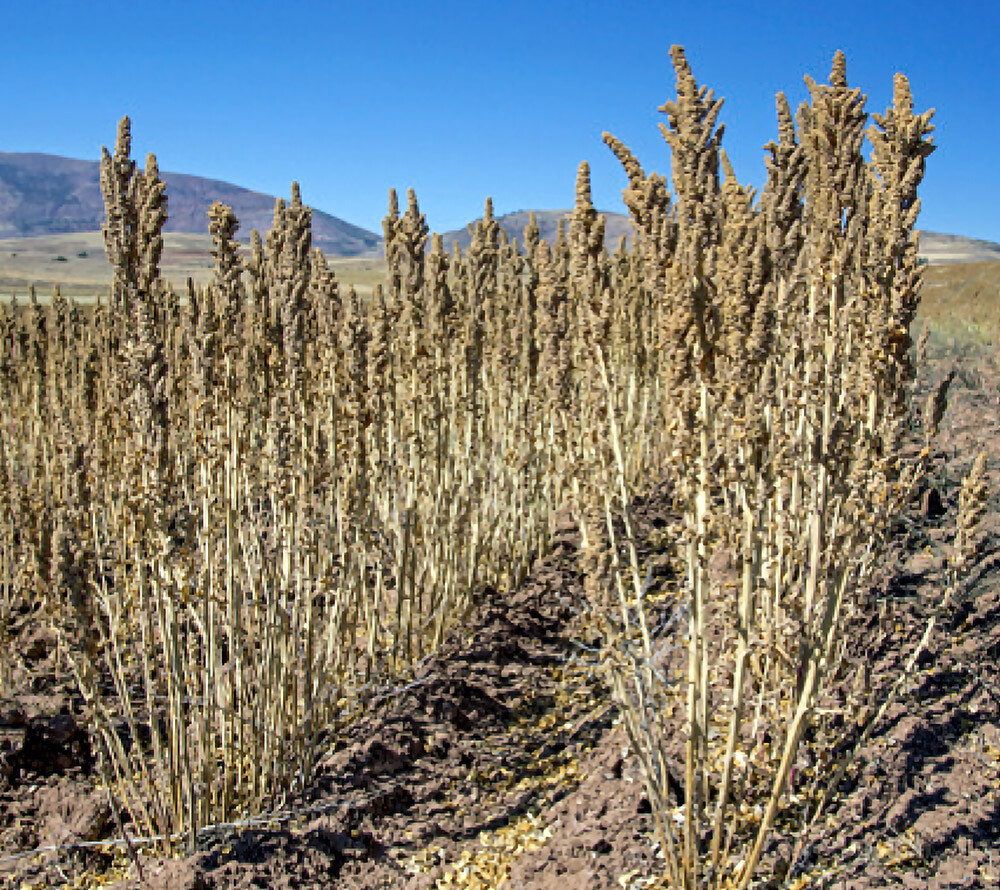
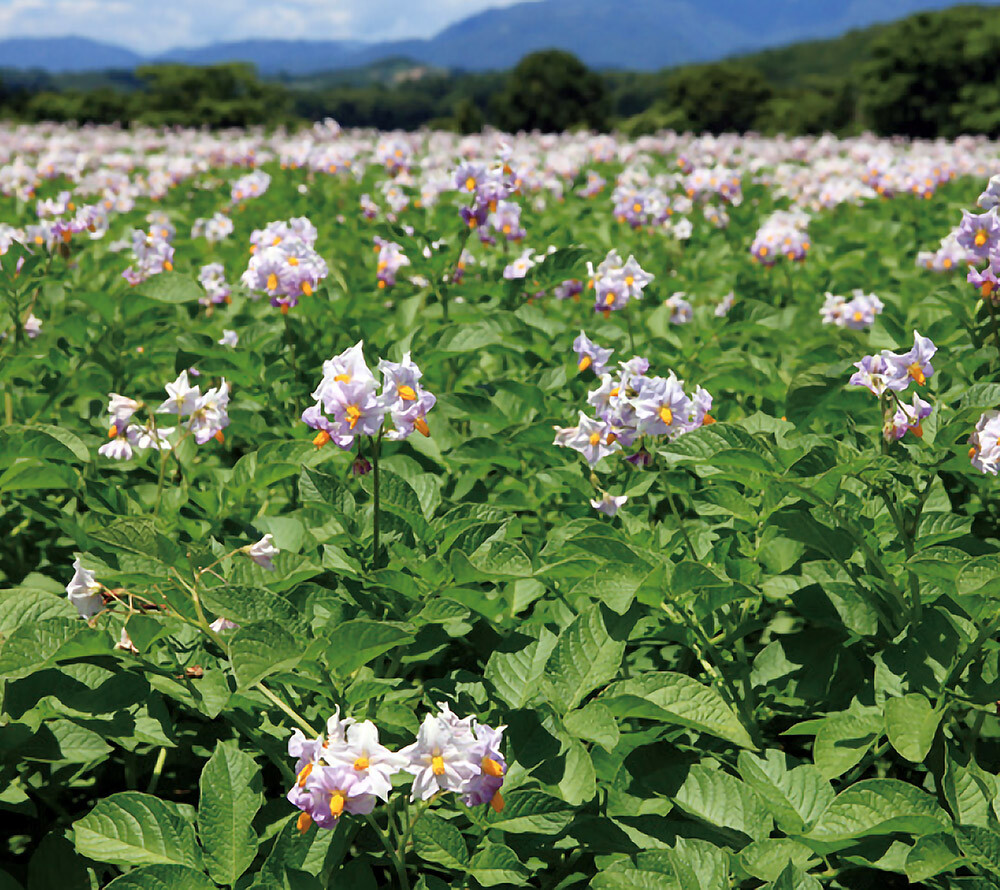
The third stage (Years 100-200) would mark the era of herbaceous and woody plants. An oxygen partial pressure of 0.1 atmospheres corresponds, on Earth, to high-altitude conditions at roughly 5,000 m above sea level. Even under such low-oxygen conditions, high-altitude-adapted species capable of growing at elevations of 3,000 to 4,000 m would be introduced, including quinoa, potato, and maize, along with deciduous trees such as Japanese oak and Erman's birch. Nitrogen-fixing bacteria symbiotic with leguminous plants would play a crucial role in supplying nitrogen from the atmosphere to the soil. Grasses such as Japanese lawn grass and silver grass are perennial species capable of maintaining photosynthetic activity even under relatively low-temperature conditions; they regenerate each year from underground stems. These species can grow even on degraded land and contribute to increasing organic matter in the soil through continuous plant turnover. In addition, soil fauna such as earthworms would further promote soil development.
After around 200 years, oxygen partial pressure would reach 0.2 atmospheres. Combined with a nitrogen partial pressure of 0.3 atmospheres, this would result in a breathable atmosphere of 0.5 atmospheres. In this way, humans would finally be able to remove their oxygen masks and breathe the Martian atmosphere directly.
[High-Altitude Herbaceous Plants]
-
Quinoa © Aflo -
Potato © Aflo -
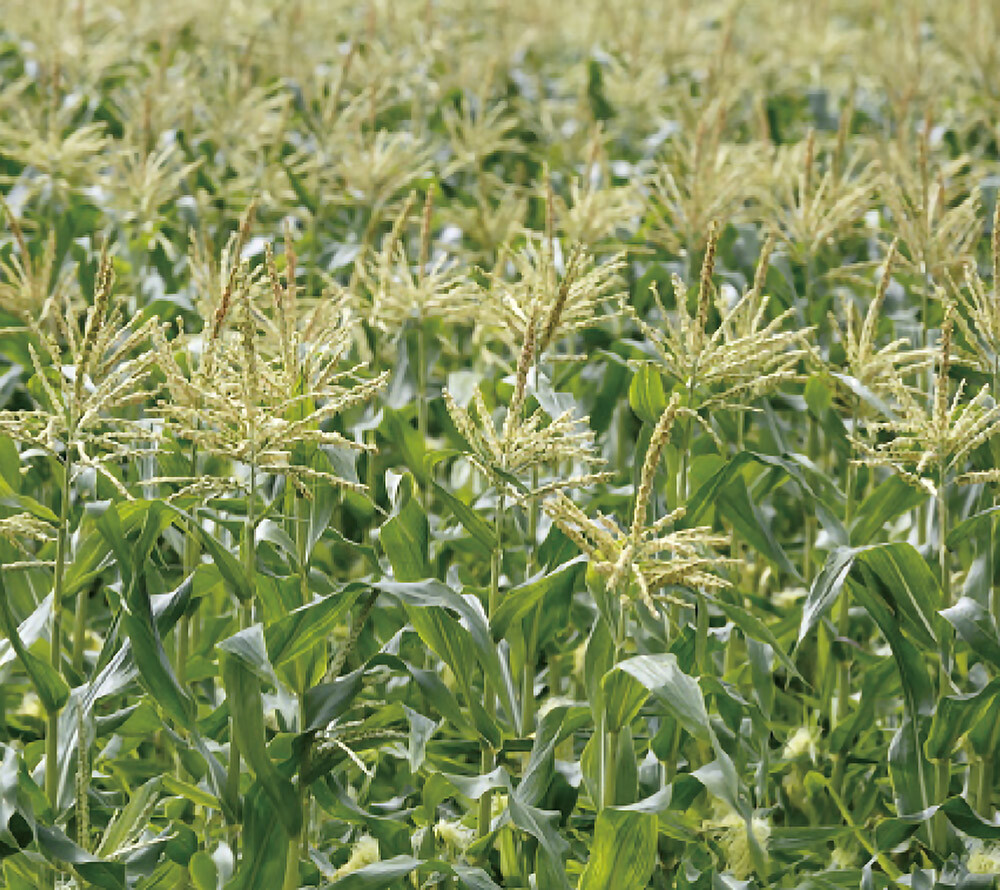
Maize © Aflo -
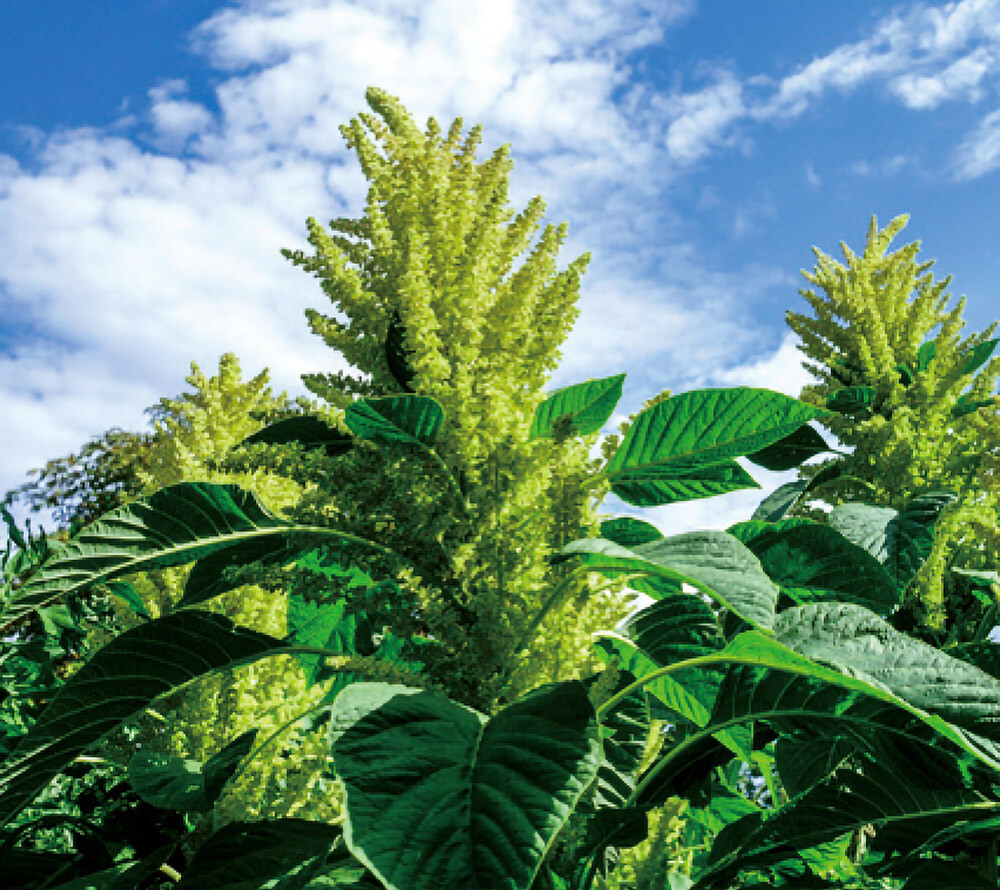
Canihua © amanaimages -
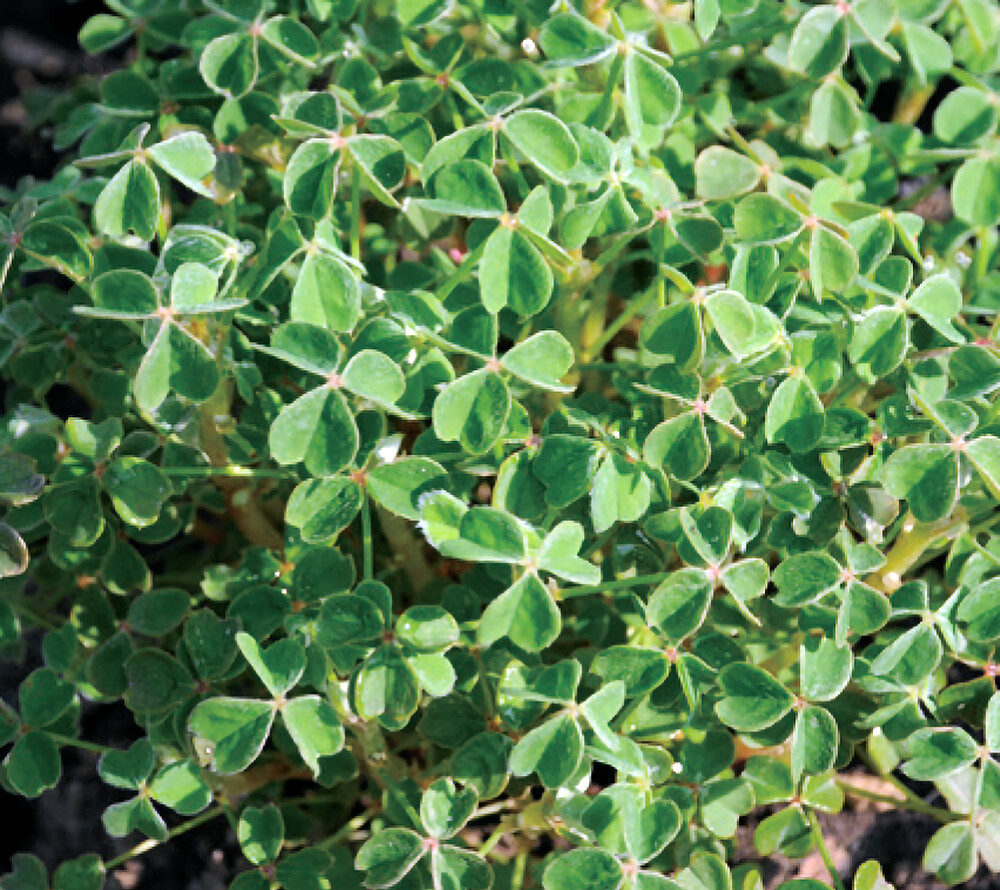
Oca © amanaimages -
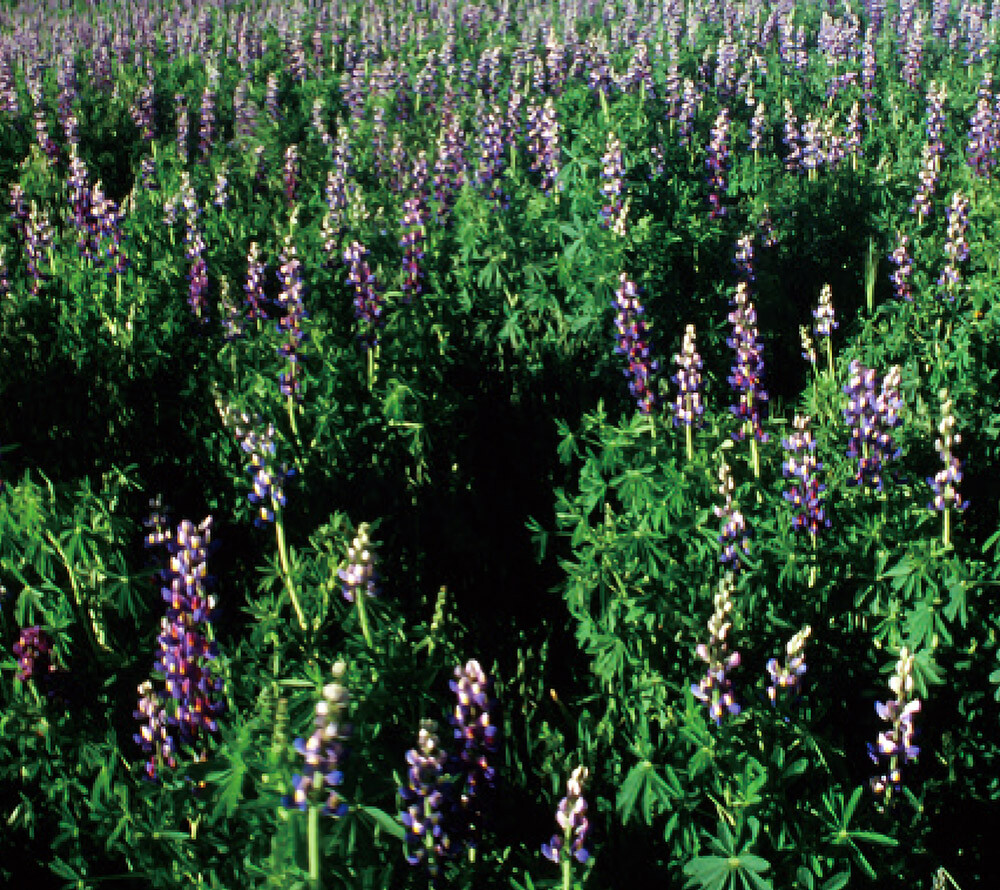
Tarwi © amanaimages -
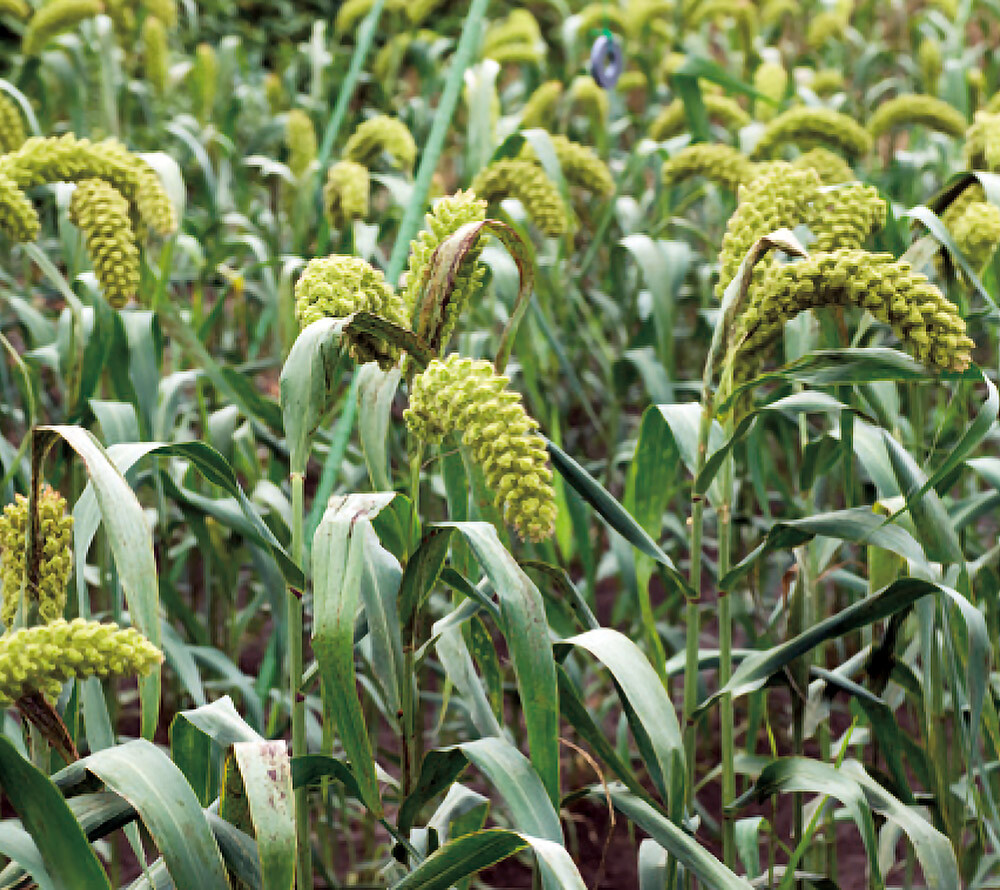
Foxtail millet © Aflo
[High-Altitude Woody Plants]
-
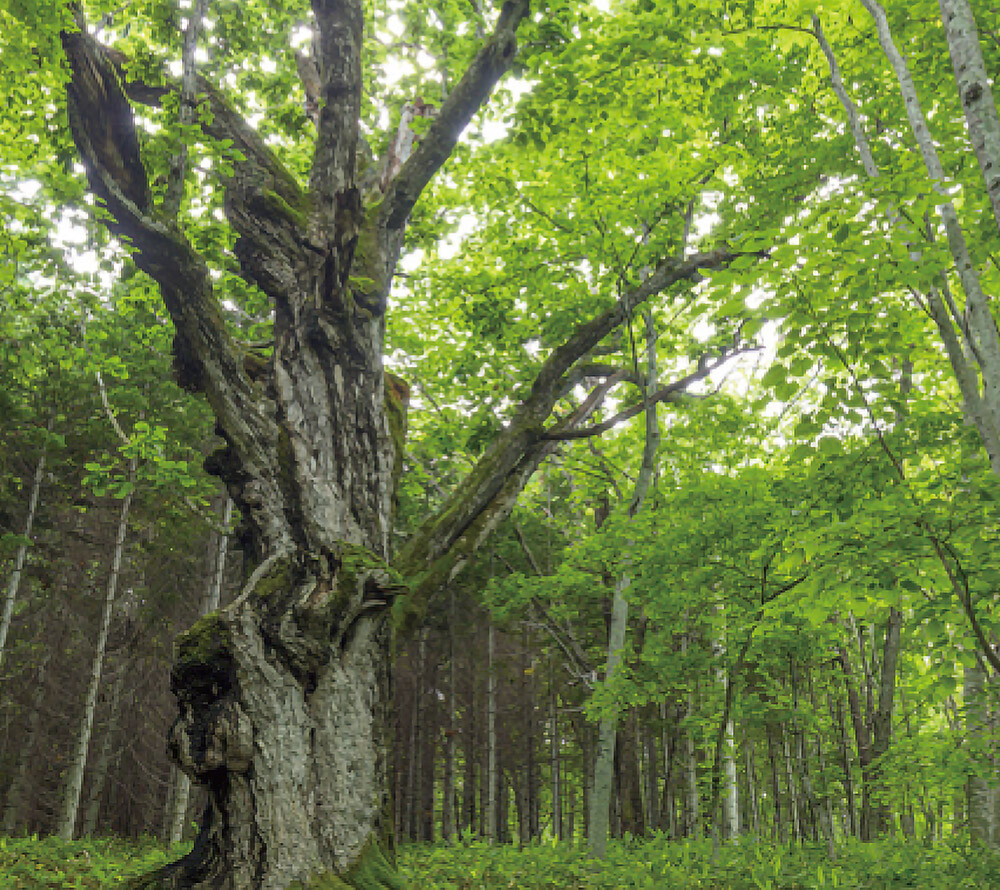
Japanese oak © Aflo -
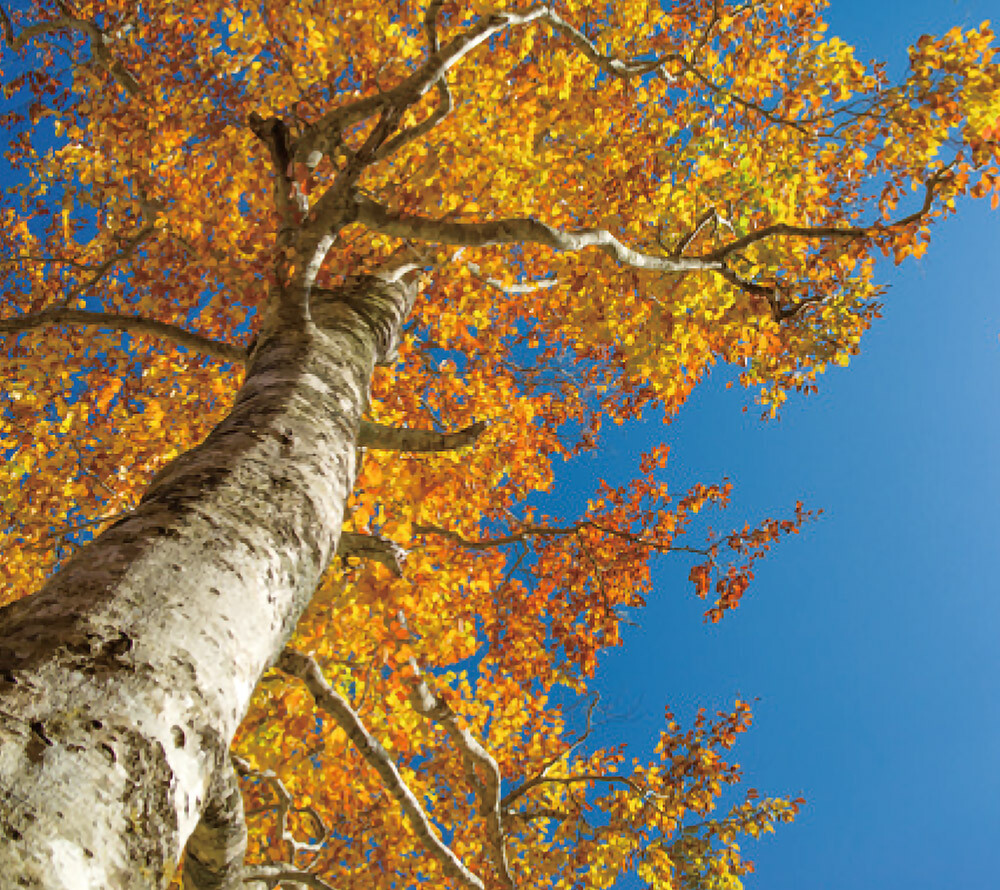
Erman's birch © Aflo
[Cold-Tolerant Grasses]
-
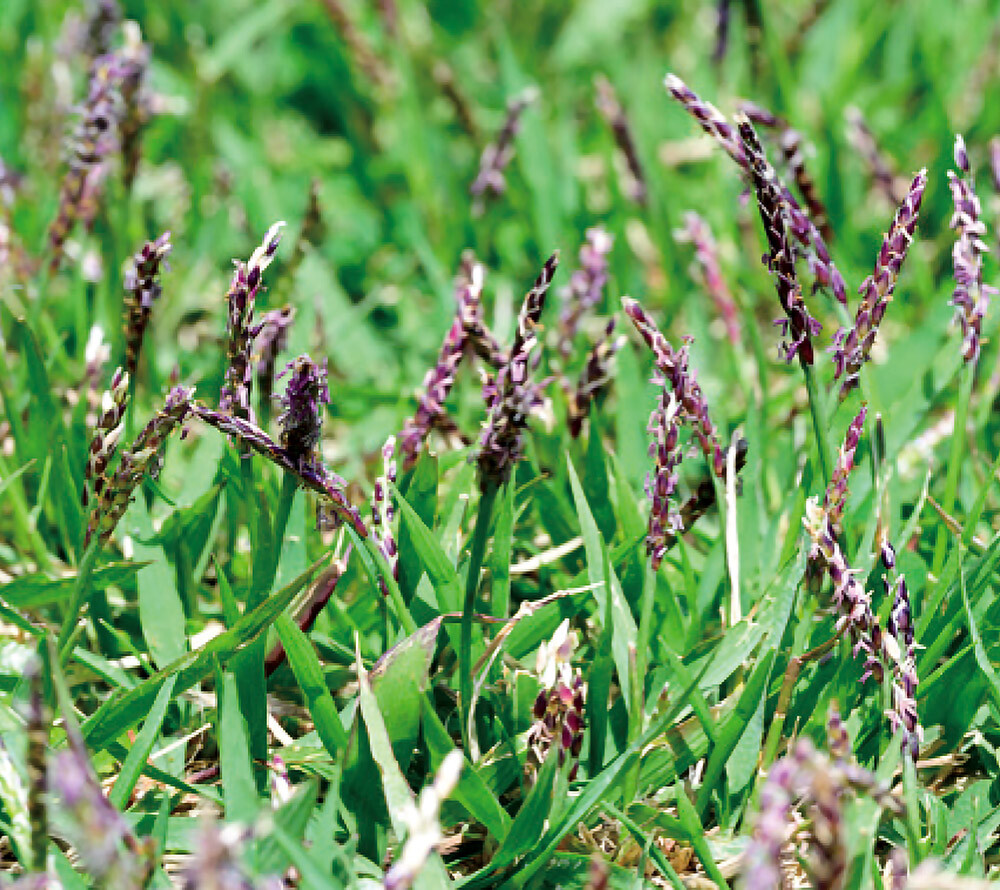
Japanese lawn grass © Aflo -

Silver grass © Aflo
Transforming Regolith into Soil
Unlike Earth's soil, Martian regolith lacks biological activity and, under the inherent constraint of low gravity, presents many challenges as a growth substrate for living organisms. Although it contains abundant fine pores and has a strong capacity to retain water through capillary forces, the suppression of gravity-driven water movement in a low-gravity environment results in poor permeability and inadequate aeration.
To establish a foundation for future biological production (*7) on Mars, it is essential to understand the system as a dynamic one in which biological, hydrological, and mineral interactions evolve over time, and to gradually transform regolith into soil, followed by the development of a mature soil structure.
In terraforming processes, a stepwise progression of soil formation is expected to gradually mitigate the disadvantages evident in early stages, eventually yielding functions comparable to those of terrestrial soils. In the initial phase, photosynthetic activity and nitrogen fixation by cyanobacteria would alleviate hypoxic conditions within the canopy while supplying organic matter and nutrients such as nitrogen, which are essential for soil development. In parallel, the soil remediation process described later would reduce perchlorates in the regolith through microbial activity, preparing regolith in which their effects are mitigated.
Next, when treated regolith is mixed with organic matter derived from cyanobacteria, its water retention capacity would improve. Water would become more mobile even under low gravity, enabling the regolith to develop into a growth substrate suitable for the establishment of mosses. Subsequently, in the presence of liquid water, dissolved atmospheric carbon dioxide would act as a weak acid on the regolith, promoting chemical weathering of primary minerals (*8) such as feldspar and mica derived from igneous rocks.
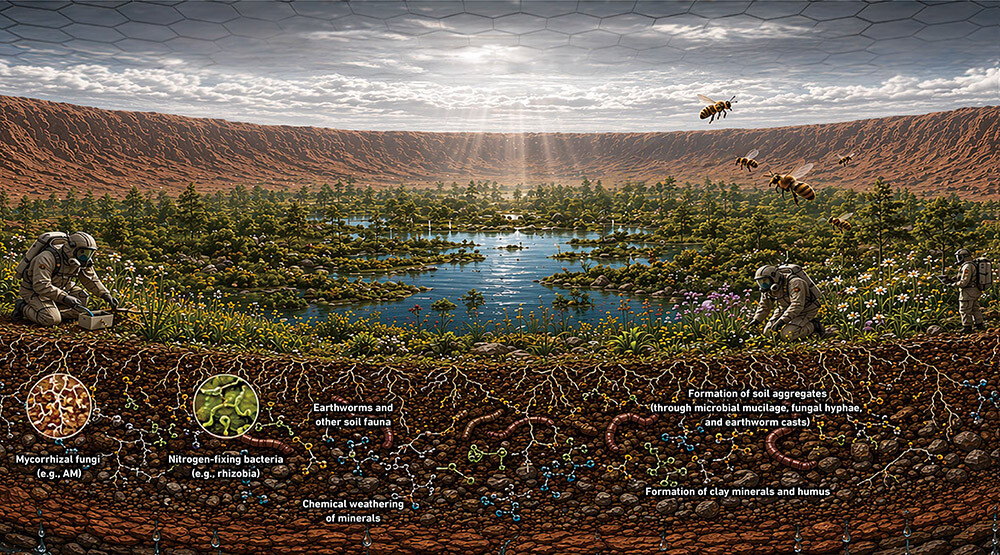
As a result, elemental components of these minerals—including silicon, aluminum, iron, calcium, sodium, potassium, and magnesium—would become solubilized and recombine to form clay minerals, thereby establishing the basis of soil formation. At the same time, once mosses began to grow, biological weathering (*9) would progress through oxygen production via photosynthesis, accumulation of organic matter, and the activity of symbiotic microorganisms such as nitrogen-fixing bacteria.
Iron and aluminum oxides produced through chemical weathering of primary minerals would bind strongly with humic substances derived from microbial decomposition of organic matter, forming humus complexes that function in a manner similar to clay minerals. In addition, white-rot fungi (*10) would supply lignin (*11) degradation products and mycelia to the soil. These materials would further be processed by soil fauna such as earthworms, whose symbiosis with intestinal bacteria promotes organic matter decomposition, leading to the formation of soil aggregates and the stabilization of soil structure.
Constantly transforming within this continuously evolving system of biological activity and material cycling, the soil would determine nutrient retention capacity closely linked to future biological productivity on Mars and also contribute to the generation of diverse soil-derived materials.
*7 Biological production refers to primary production, in which plants and algae produce organic matter from inorganic substances through photosynthesis, as well as secondary production, in which animals and microorganisms consume plants and other primary producers to build their own biomass.
*8 Minerals that crystallize during the formation of rocks, for example through the cooling of magma. In contrast, minerals formed through alteration during weathering and soil formation, such as clay minerals, are referred to as secondary minerals.
*9 The process by which rocks and minerals are physically and chemically broken down through the activities of plants, animals, microorganisms, and other living organisms.
*10 A type of wood-decaying fungus capable of decomposing recalcitrant compounds such as lignin contained in wood.
*11 A major component constituting approximately 20-35 % of the cell wall. It supports the structural framework of plants and provides strength and rigidity.
[Overview of the Regolith-to-Soil Transformation Through Greening]
[Detailed Process of Landscape Restoration and Greening (Post-Ocean and Atmospheric Formation)]
Furthermore, over a time scale of several decades to a century, during which herbaceous and woody plants would be introduced and the partial pressure of oxygen would approach terrestrial levels (approx. 0.2 atm), mature soil would be formed.
Plants would likely retain a degree of gravitropic (*12) orientation control; however, under low-gravity conditions their root systems may not extend deeply into the subsurface and instead spread horizontally near the surface. Nevertheless, within a canopy-enclosed environment where strong windstorms would not occur, mechanical stress on trees would be limited, and such shallow rooting would not necessarily lead to poor growth or lodging.
Above ground, lignin biosynthesis required for cell wall formation may decrease, potentially resulting in reduced internal wood density and cellular structures distinct from those on Earth. Even so, vegetation functionally analogous to grasslands or forests may still develop. If soils composed of clay minerals, water, and organic matter can be maintained over the long term on Mars, chemical evolution analogous to the processes believed to have accompanied the emergence of life on primordial Earth may also occur. The soils formed through paraterraforming on Mars may ultimately provide the foundation for sustaining life safely while opening a wide range of future possibilities.
*12 A tropic response to gravity. Stems grow in the direction opposite to gravity, while roots grow in the direction of gravitational pull.
- The first page
- Previous page
- page 1
- page 2
- Current page: page 3
- page 4
- page 5
- 3 / 5
- Next page
- The last page
The issue this article appears

No.65 "Earth"
The earth nurtures life and sustains the rich natural environments that surround us. We live each day benefiting from its blessings. How did the earth come into being? And is there land on planets beyond Earth?
This issue explores the diverse and colorful landscapes found around the world and the ways in which they are intertwined with people’s lives. We also trace the geological processes that have shaped these distinctive landscapes. In the Obayashi Project, we took on the ambitious challenge of conceptualizing the creation of habitable terrain and the development of an environment capable of sustaining life inside a Martian crater.
We reflect on the richness and significance of the natural world nurtured by the earth and turn our thoughts to the future of our planet’s environment.
(Published in 2026)
-
The Colors and Expressions of the Earth
- View Detail
-
Earth's Soil and Planetary Soil
FUJII Kazumichi
(Unit Leader, Soil Homeostasis Research Unit, Fukushima Institute for Research, Education and Innovation) - View Detail
-
Who Owns Land in Space?: Rethinking the Ethics of Terraforming
MOTOMURA Yukiko
(Special Visiting Professor, Faculty of Life and Medical Sciences, Doshisha University; Guest Editor, The Mainichi Newspapers Co., Ltd.) - View Detail
-
Terraforming: Ecosynthesis and Ecological Restoration on Mars
Christopher P. McKay
(Planetary Scientist; Senior Scientist, NASA Ames Research Center) - View Detail
-
OBAYASHI PROJECT
Creating Habitable Terrain on Mars: Crater Paraterraforming
Concept: Obayashi Project Team
- View Detail
-
Dreams of the Red Earth: Five Hundred Years of Martian Settlement
TAKEUCHI Kaoru
(Science Writer; Professor, Faculty of Social Informatics, ZEN University) - View Detail
-
The "Earthen Houses" of Iceland
FUJIMORI Terunobu
(Architectural historian and architect; Director, Tokyo Metropolitan Edo-Tokyo Museum; and Emeritus Professor, University of Tokyo) - View Detail
-
The Earth's Memory: Landscapes Shaped by Nature and Human Life
- View Detail