



FOCUS: Design Stories
Port Plus
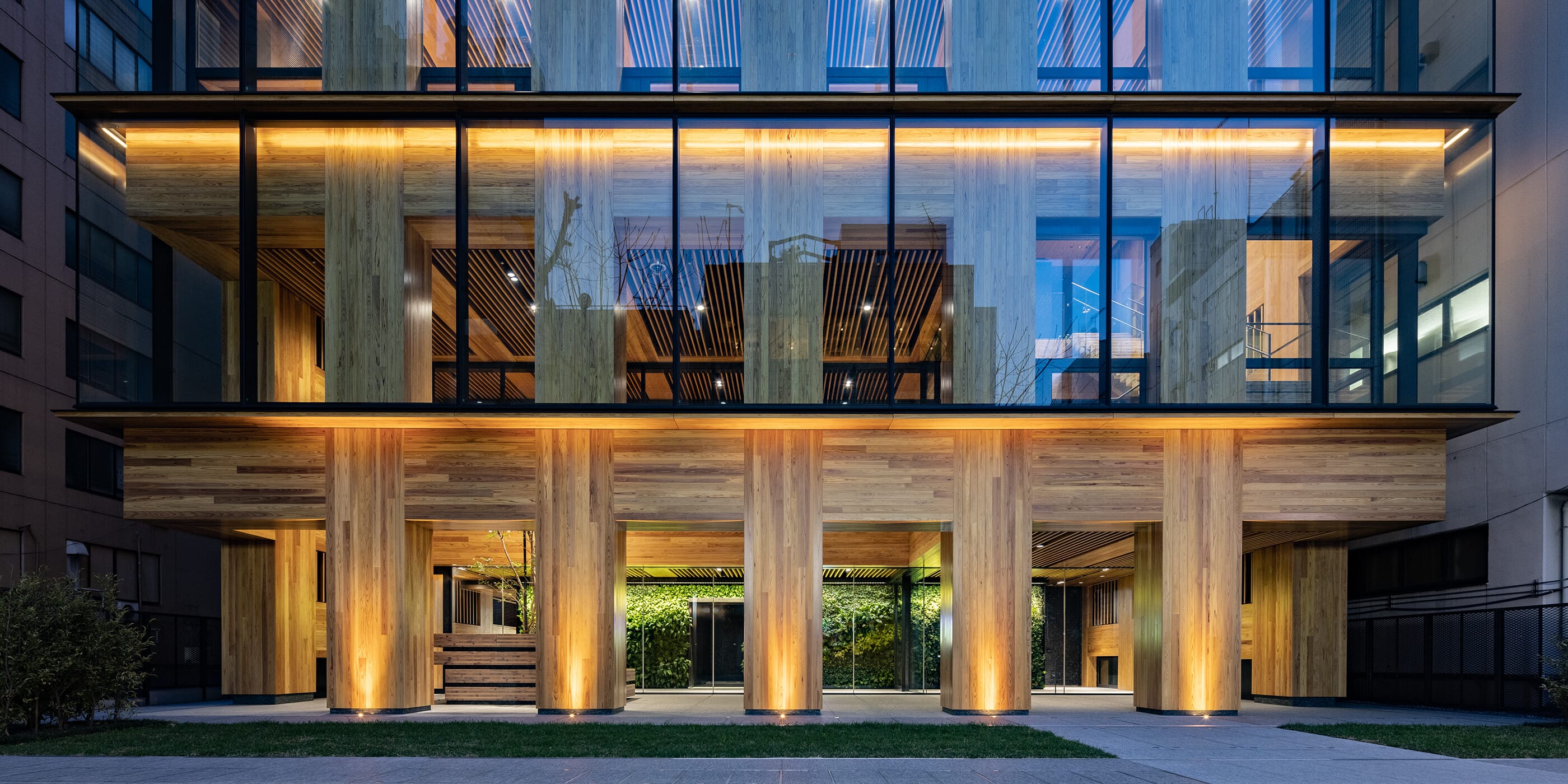
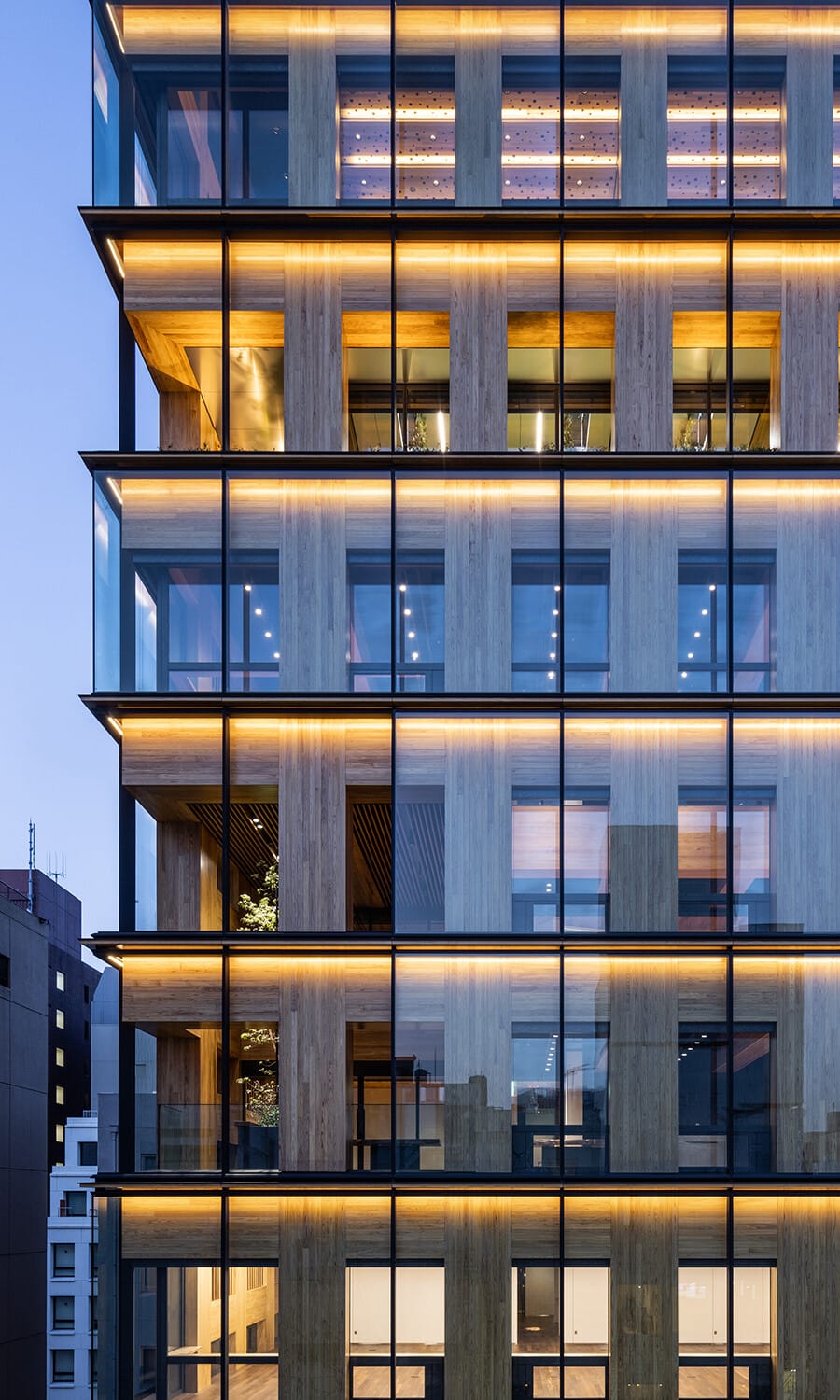

Nature Within the City: All-Timber, Fire‑Resistant High-Rise
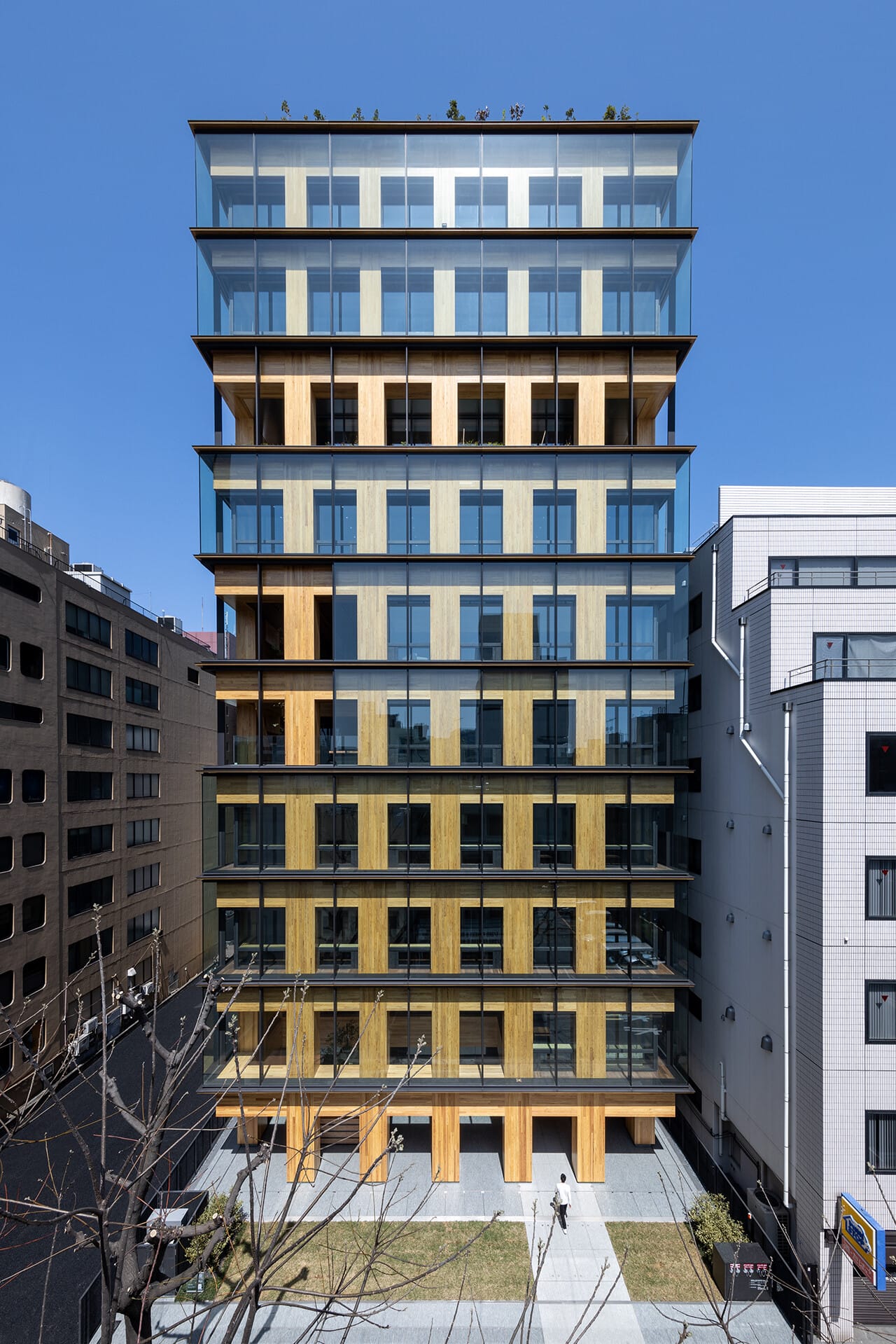
Completed in March 2022, Port Plus Obayashi Yokohama Training Center is Obayashi's training facility with on-site accommodations situated in Yokohama, Kanagawa Prefecture. Obayashi aims for Port Plus to be "a place to cultivate the knowledge of tomorrow," where new experiences and learning can be gained, away from home and the workplace and from daily work duties.
As the first all-timber high-rise fire-resistant building in Japan, it stands 44 m high and has 11 floors. Overcoming various challenges including earthquake and fire resistance and construction efficiency, all of its main above-ground structural components, namely, the columns, beams, floors, shear walls, and roof, are made of wood.
Timber structures are garnering attention not only for their contribution to achieving carbon neutrality through the fixation of carbon dioxide (CO2), but also from the perspective of the circular management of forest resources, which encompasses forest use, replanting, and nurturing. As of April 2024, over 8,000 visitors in total have come to see Port Plus.
- All-Timber Construction Reimagined
- Structural Technology Supporting All-Timber High-Rise Architecture
- Advantages of Constructing Timber Structures and Interiors
- Wellness-Focused Training and Accommodation Facilities in a Wood-Filled Space
- Achieving Carbon Neutrality with Timber Structures and Interiors
All-Timber Construction Reimagined
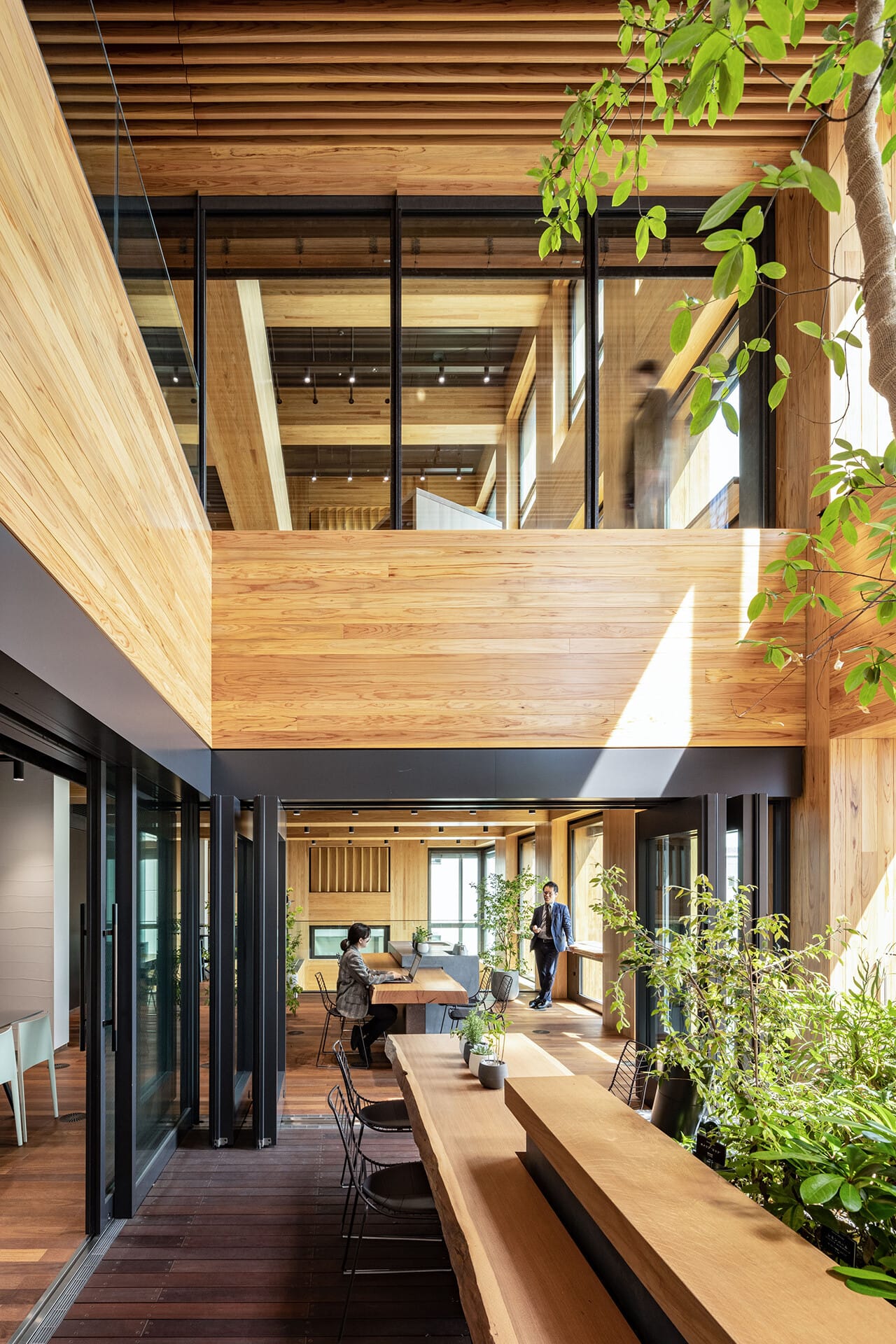
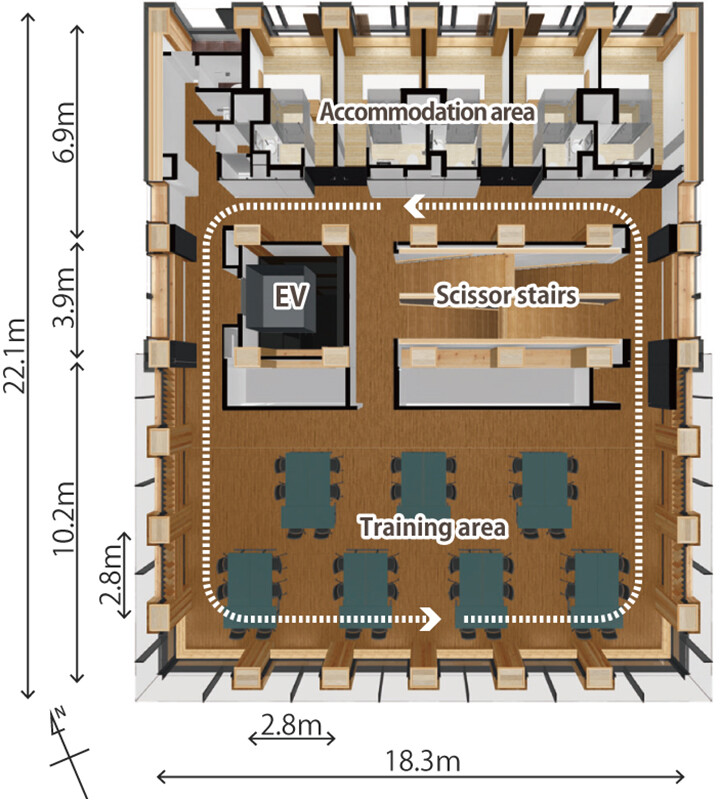
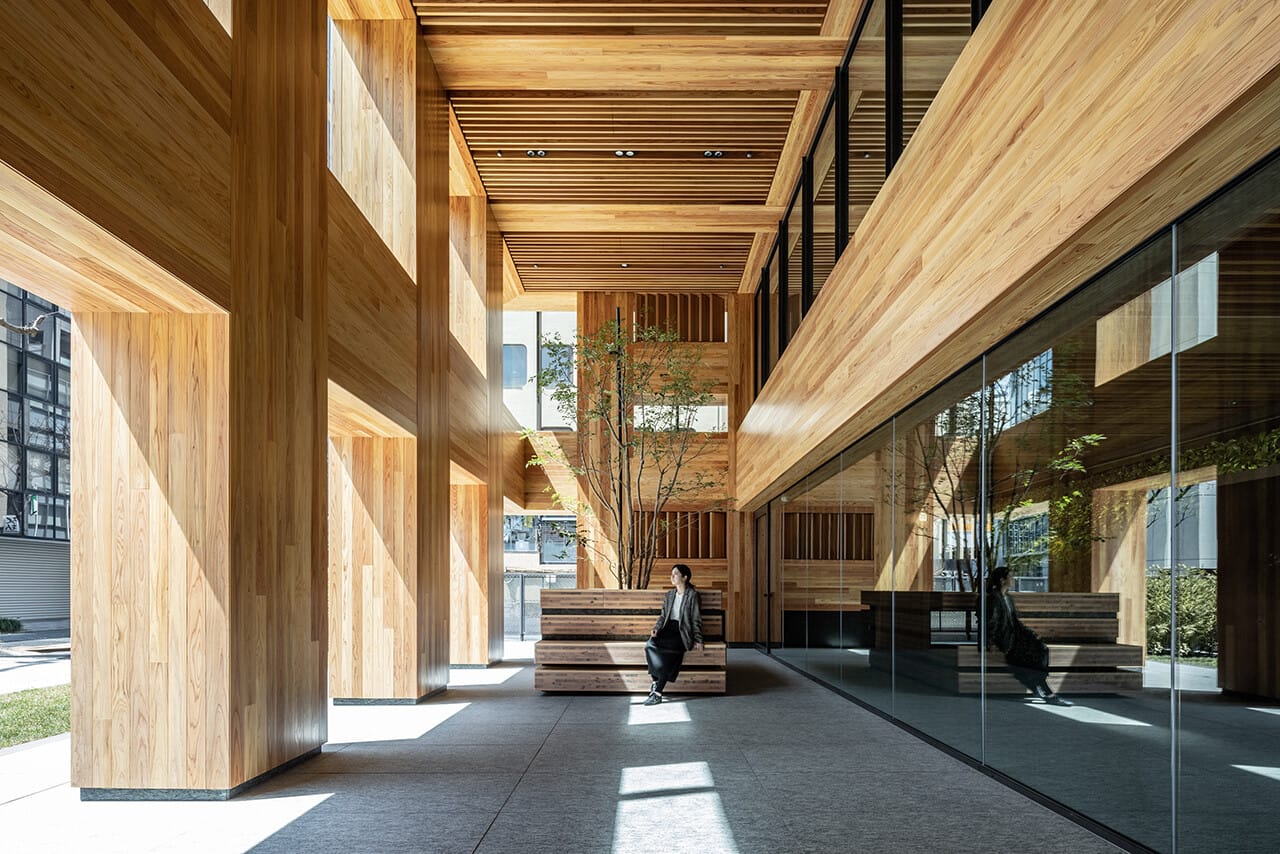
The stairs, elevator hall, and other functions are placed in the center of the floor, with accommodation facilities on the north side and a column-free training area measuring approximately 10 m from front to back on the south side. The layout enables looped circulation around the floor.
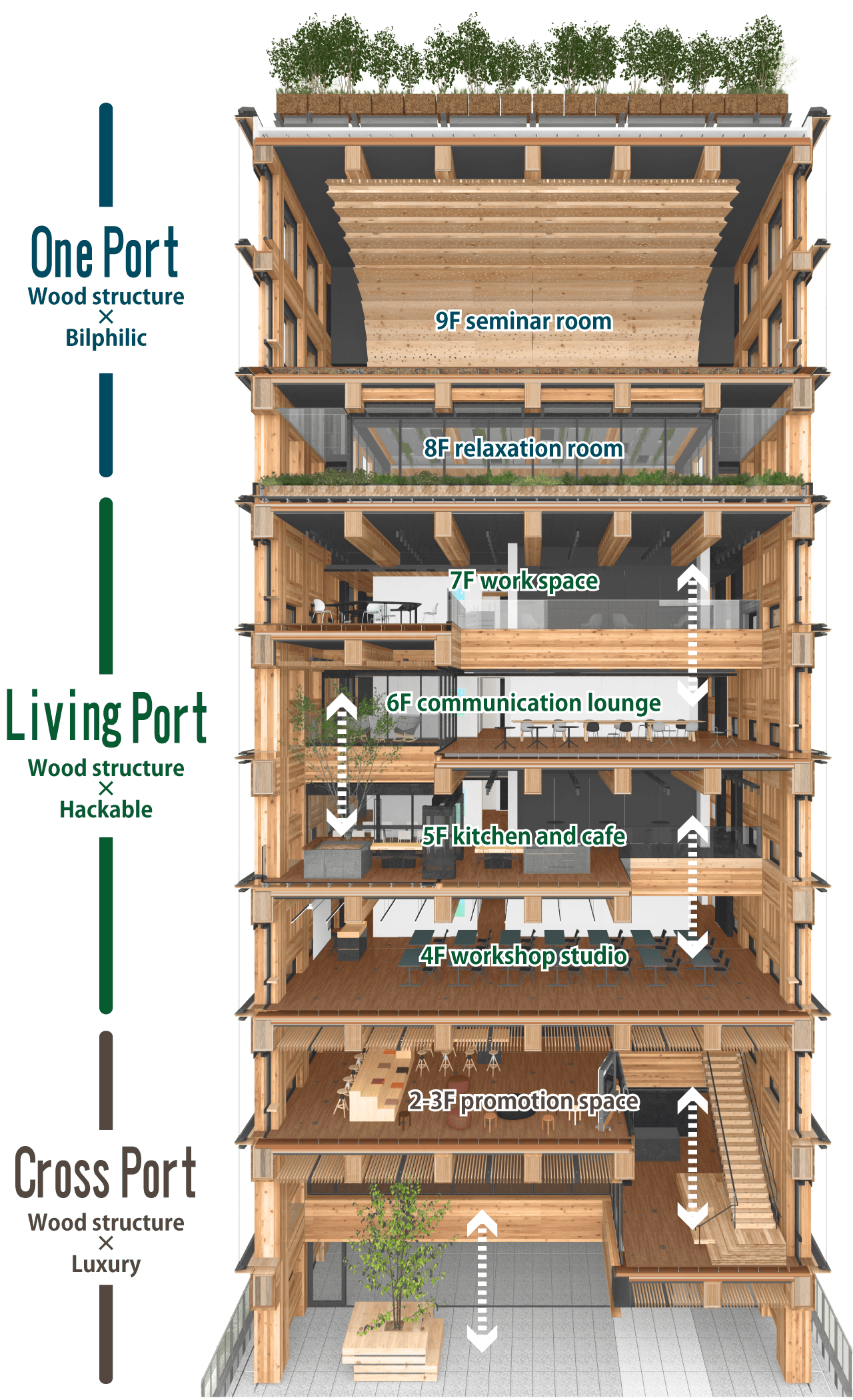
Atria and the atrium terrace vertically connect the training areas on the south side of the floors. Nature can be felt in the wellness-focused wooden spaces of Port Plus despite the small urban plot on which it stands.
Structural Technology Supporting All-Timber High-Rise Architecture
To create an all-timber high-rise building, we developed a rigid moment-connection unit that integrates columns and beams without steel connector plates at the node applying our proprietary O·Mega Wood technology. Preassembling components into units at our factory ensures structural performance and also increases the efficiency of on-site construction work. The size of the rigid moment-connection unit—2.8 m by 4 m—was determined based on the size of each room at the accommodation area, the fabrication size, and the size that allowed transport of the factory-fabricated units to the site.
-
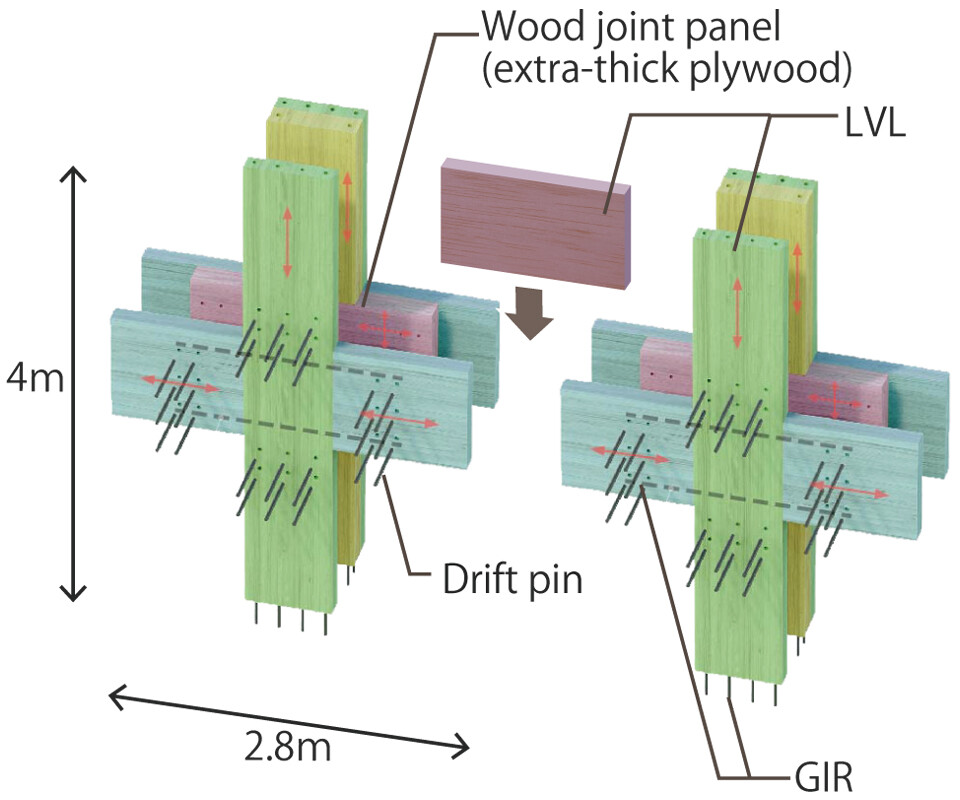
Rigid moment‑connection units connecting timber members such as LVL (*1) using GIR (*2) and drift pins
-
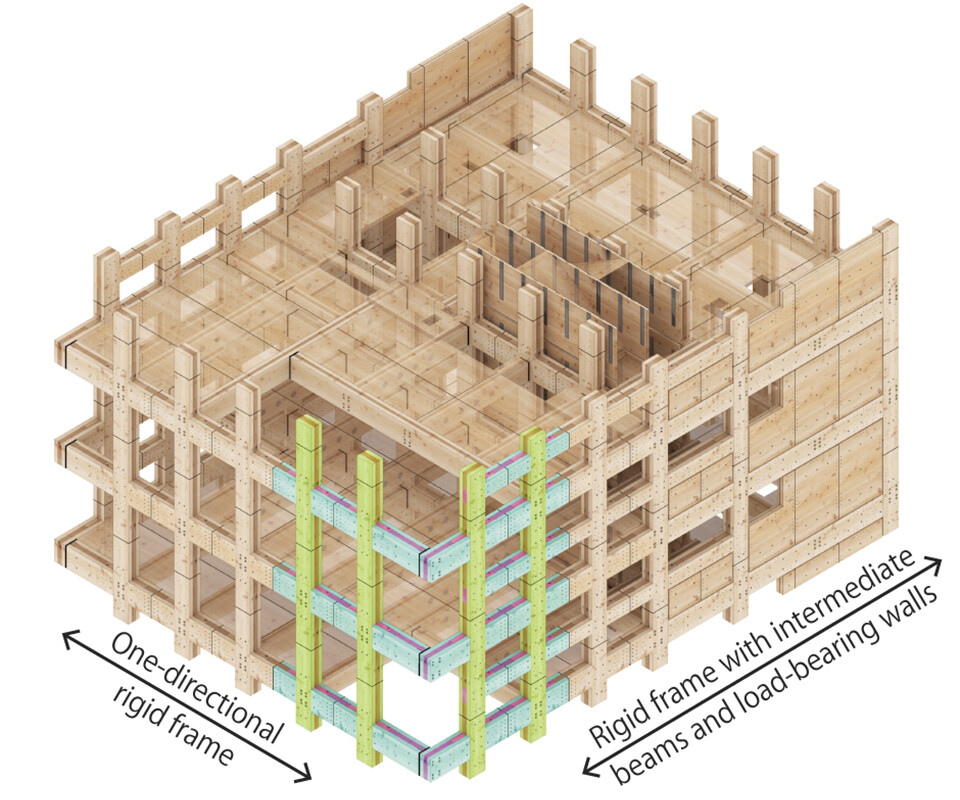
Structural model with rigid moment-connection units
- *1 Laminated veneer lumber (LVL)
Engineered wood product made from slicer-peeled thin veneers, which are dried and laid up with parallel grain orientation, and bonded together under pressure using adhesive. - *2 Glued-in rod (GIR) connection
A method of joining timber using rods and adhesive.
Port Plus has a column capital seismic-isolation structure on the Basement Level 1 (B1) floor. The safety-focused design protects the timber structural frame from damage even in major earthquakes. To make the timber structure fire resistant, O·Mega Wood (FR) technology, individually approved by the Minister of Land, Infrastructure, Transport and Tourism, was applied. O·Mega Wood (FR) consists of three layers: the wooden core that supports the structure, a char-stop layer of gypsum boards, and a combustible timber outer layer. For the exterior-facing ground-floor columns, O·Mega Wood (FR) with three-hour fire resistance was used for the first time in Japan.
-
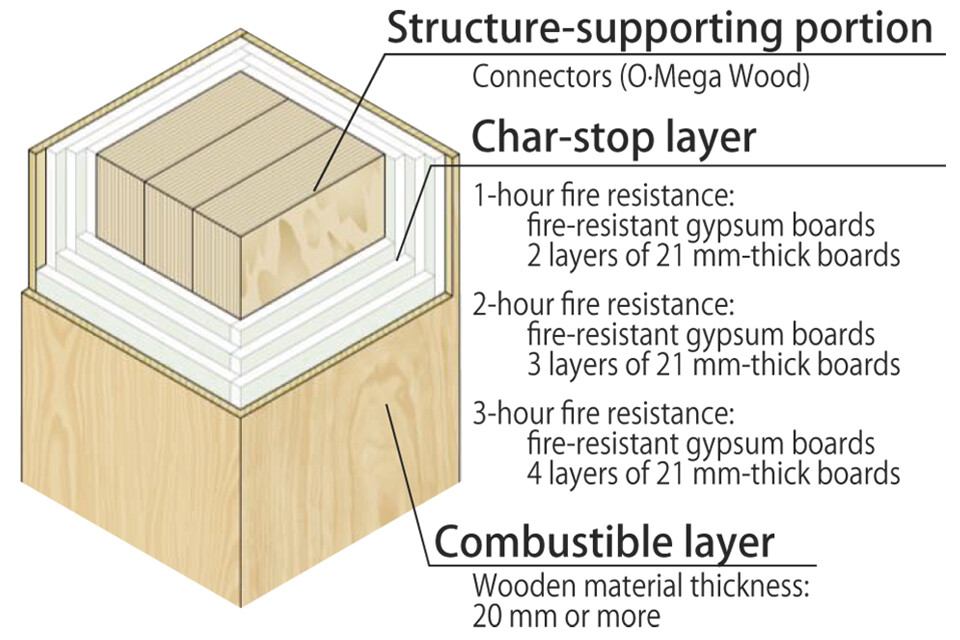
Composition of O·Mega Wood (FR)
-
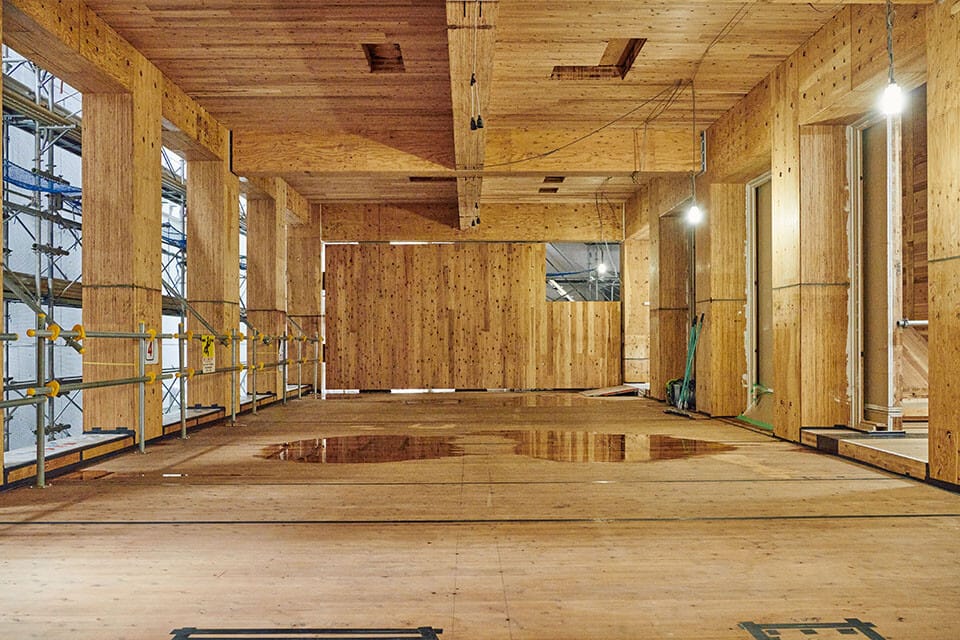
Timber frame prior to installation of fire-resistant cladding
Advantages of Constructing Timber Structures and Interiors
In the construction of Port Plus, various advantages of timber structures were verified and realized. These include improved safety, as well as reductions in the construction period, on-site work and manpower, and impact on the surrounding environment.
Factory prefabrication of rigid moment-connection units for integrating columns and beams ensured their stable structural performance and improved on-site construction efficiency. The all‑timber superstructure eliminated the need for concrete placement, and prefabrication made on-site wood processing unnecessary, thereby reducing dust and noise on site.
-

Rigid moment‑connection units being installed to integrate columns and beams. Joints prefabricated at the factory are assembled on site.
-
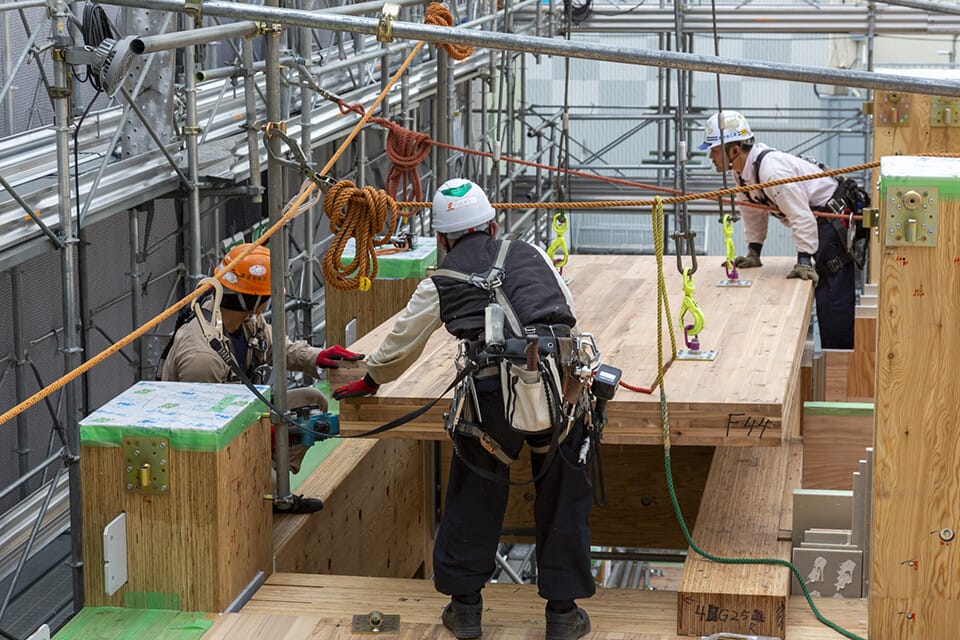
Installation of CLT (*3) floor panels
- *3 Cross laminated timber (CLT)
Engineered wood product made from layers of planks (thick boards) cut from lumber, which are laid up and glued together with the grain alternating at 90-degree angles for each layer.
Wellness-Focused Training and Accommodation Facilities in a Wood-Filled Space
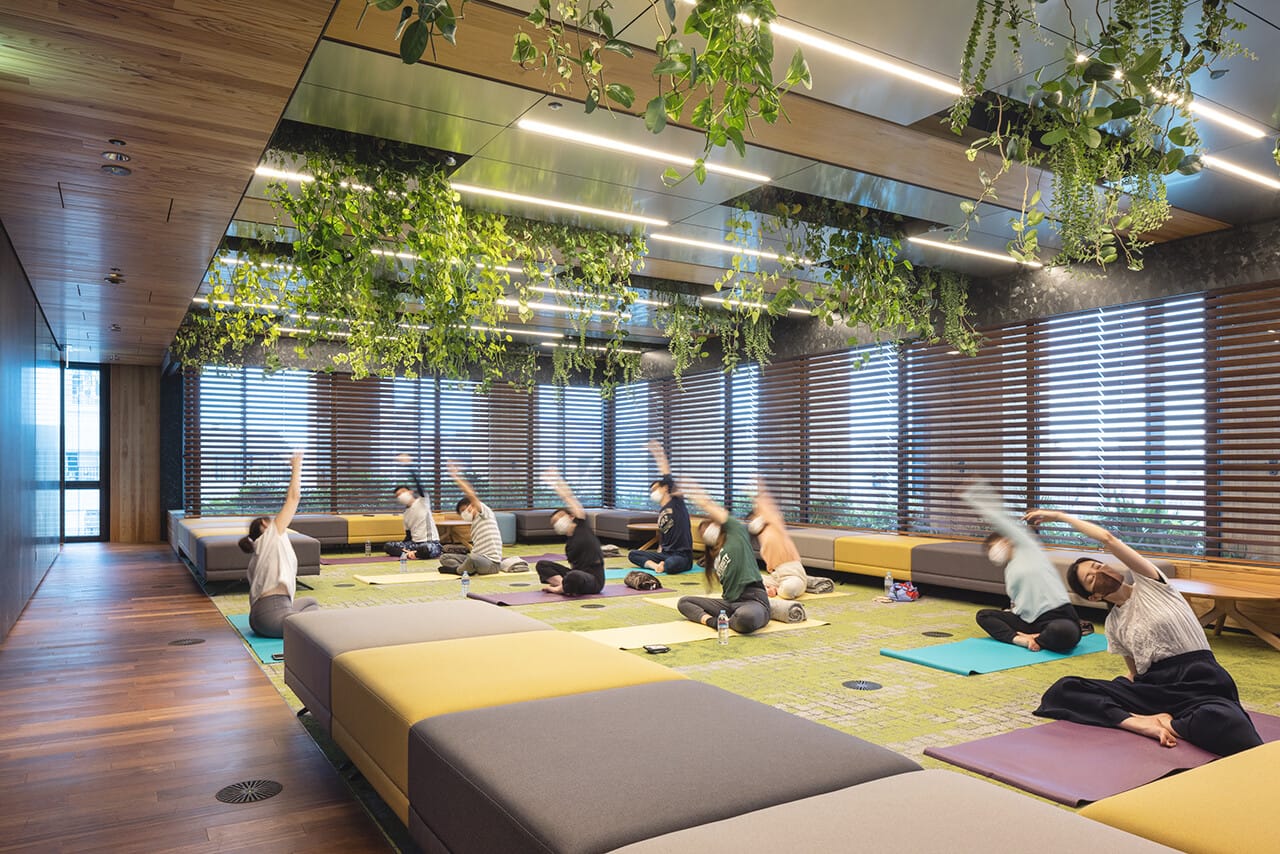
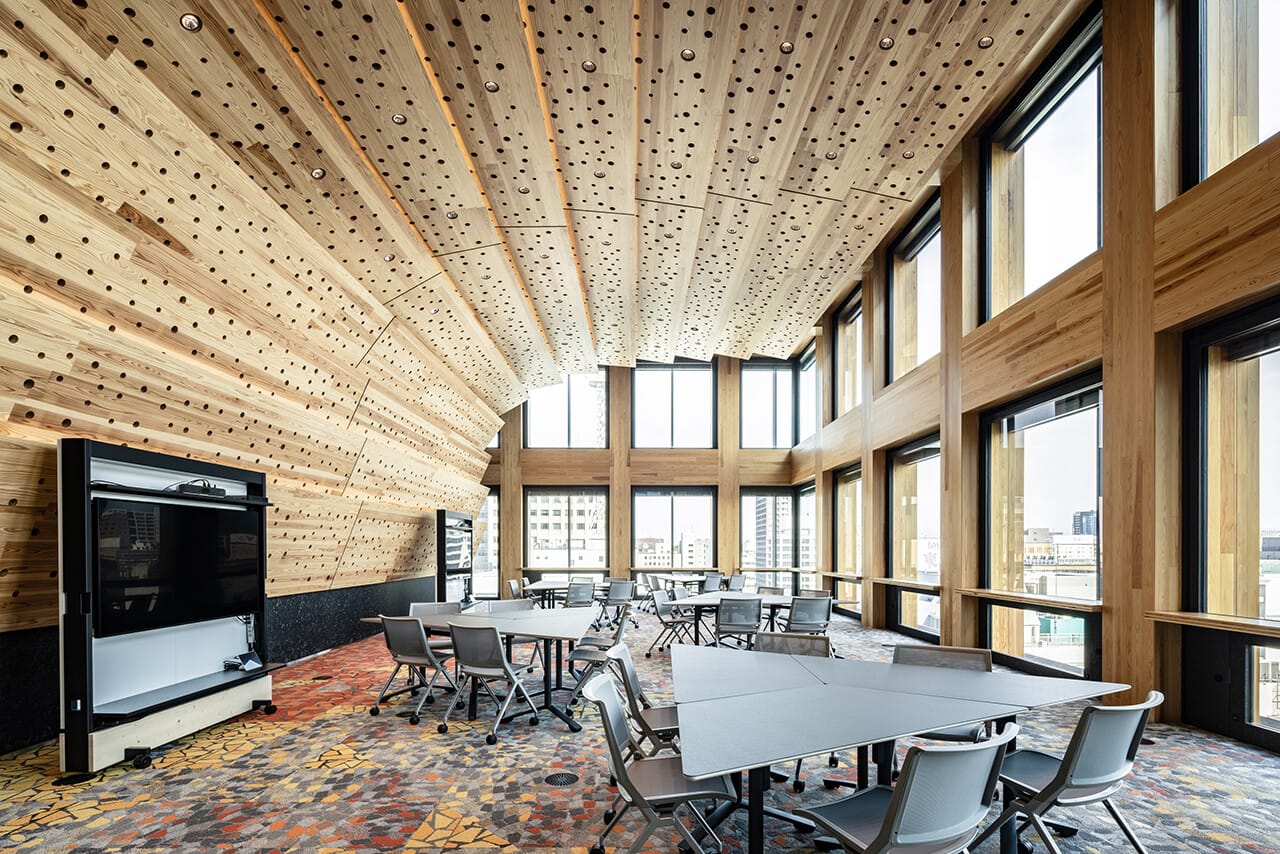
Timber structure and finishes create biophilic spaces that support wellness where feelings of wood contribute to physical and mental health and also increase user comfort and concentration levels. The training space on the eighth floor features ceiling greenery, ambient forest sounds, and fragrant air conditioning aimed at stimulating the five senses. It is being used for various purposes as a place that contributes to employees' well-being.
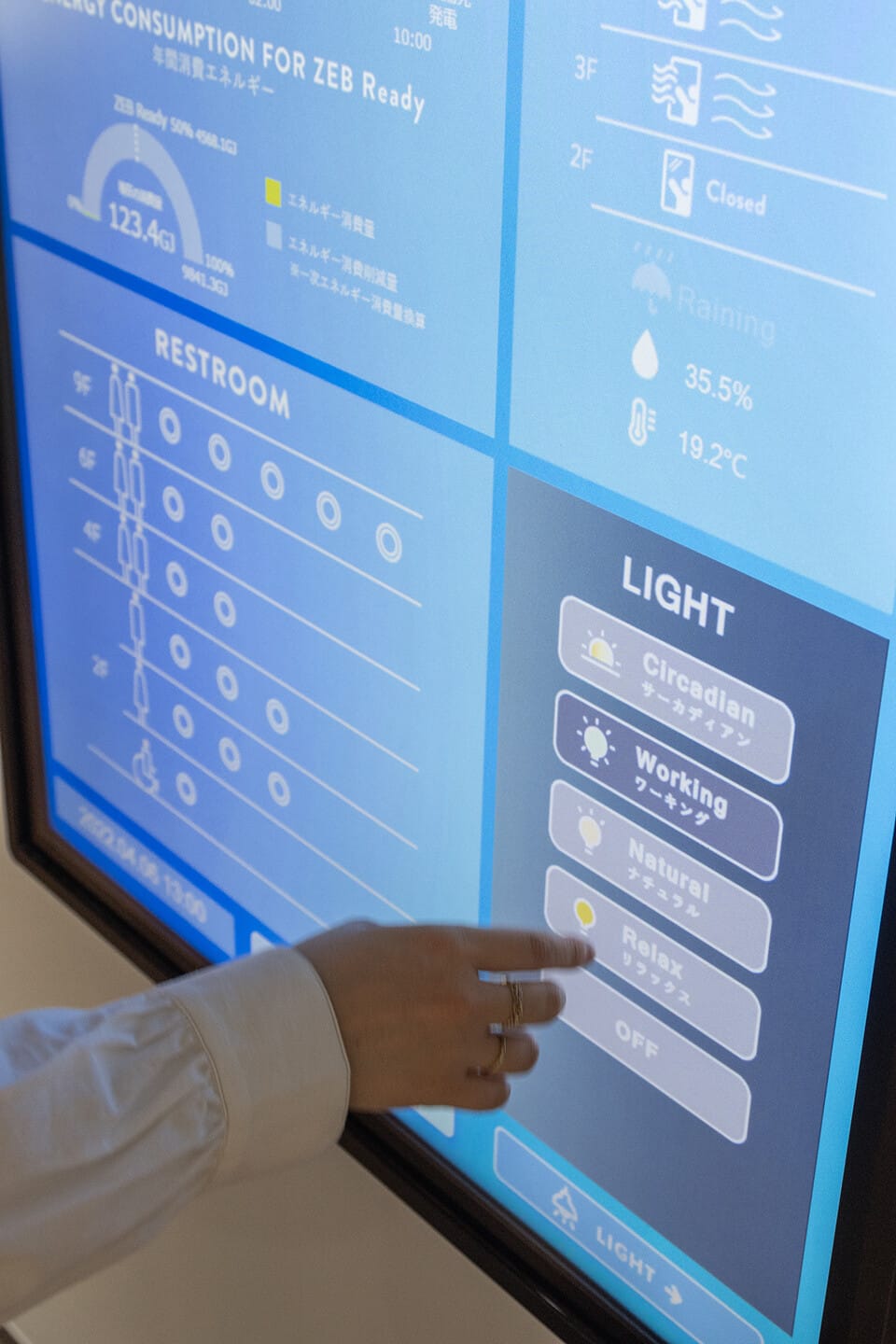
Each training area has touchscreen panels (BMS interface) that display energy consumption and other information and offer easy control of the window blinds and lighting. The system allows users to adjust the interior environment to suit their comfort preferences.
Each room at the accommodation area is equipped with an iPad for users to control the room features. The iPad also tracks the user's sleep quality and displays their sleep score to encourage user understanding of wellness.
-
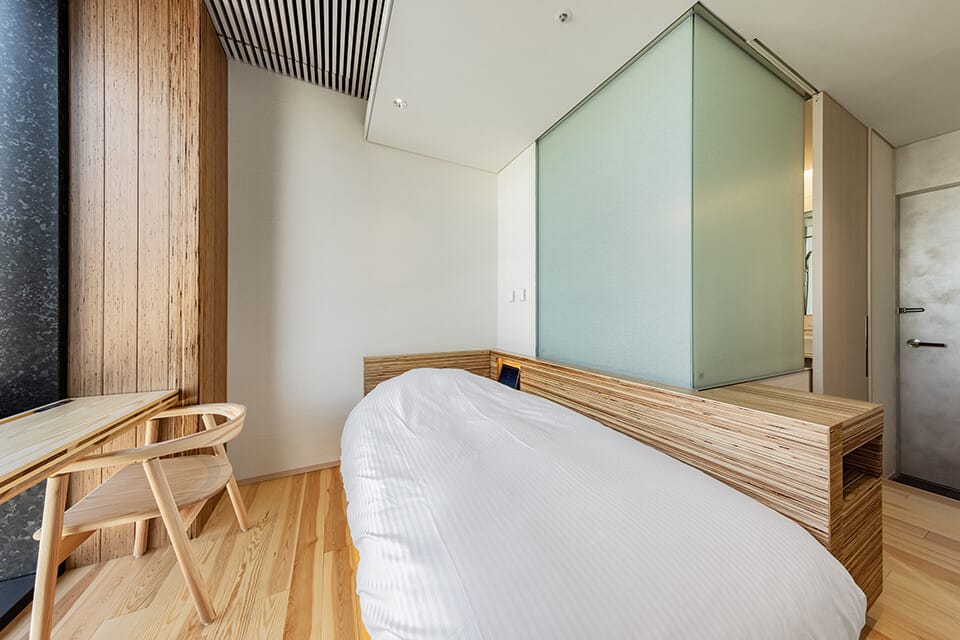
Accommodation to refresh the mind and body, enveloped in the warmth of wood.
-
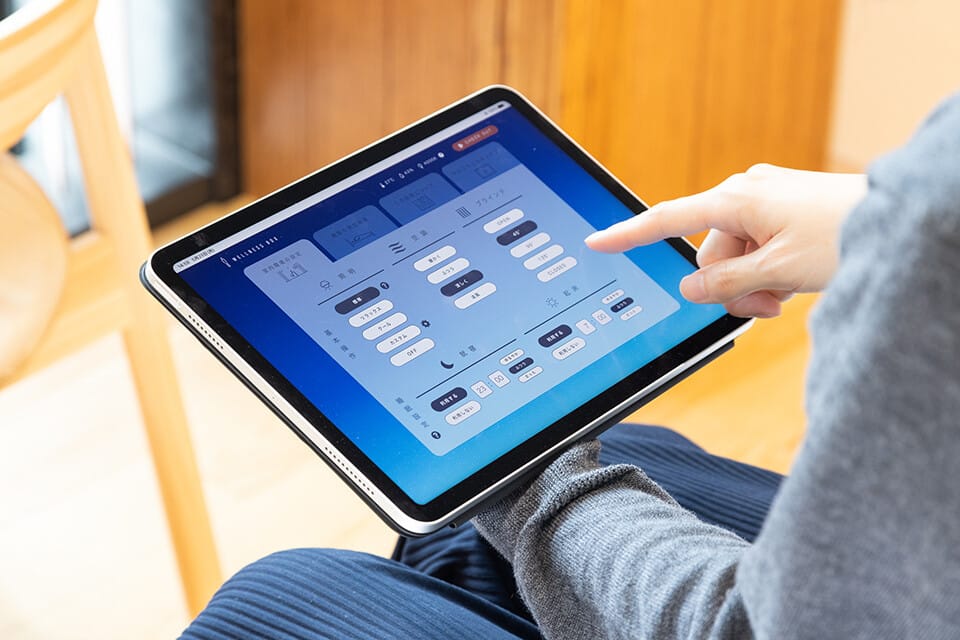
iPad for accommodation users. In addition to controlling room features and tracking sleep, the iPads have functions including those related to self-care for wellness.
Port Plus has achieved LEED, an international system for holistically assessing efforts on energy efficiency and environmental impact, CASBEE Wellness Office S-rank, a Japanese certification system that assesses buildings in terms of user wellness and comfort, and WELL Certified Platinum, as well as the WELL Health-Safety Rating.
Achieving Carbon Neutrality with Timber Structures and Interiors
Port Plus was built using 1,990 m3 of wood, which stores approximately 1,652 t of CO2. This is equivalent to about 450 t of carbon (*4) fixed. This amount, achieved by the all-timber building standing on a small, 565 m2 plot, is equivalent to the amount of carbon that a 45,000 m2 planted forest of cedars absorbs in 50 years. (*5) So, it is as if we created a secondary forest in the city.
According to LCA calculation (*6), we have reduced emissions by 1,700 t compared with the case of employing a steel frame structure. Furthermore, Port Plus has acquired ZEB Ready certification by cutting energy use to 50 percent or less compared with conventional buildings. This was achieved by reducing the air conditioning load and actively incorporating sunlight, solar heat, geothermal heat, natural light, natural ventilation, and other natural energy. Port Plus helps achieve carbon neutrality through energy savings in addition to carbon fixation offered by its timber structure and interior.
-
Wood used 1,990 m3
Timber structure: 1,675m3 Wooden interior: 315 m3CO2 fixed
(CO2 fixed by use of wood)1,652 t (*4) CO2 reduced
(Compared to conventional steel frame structure)1,700 t (*6) -
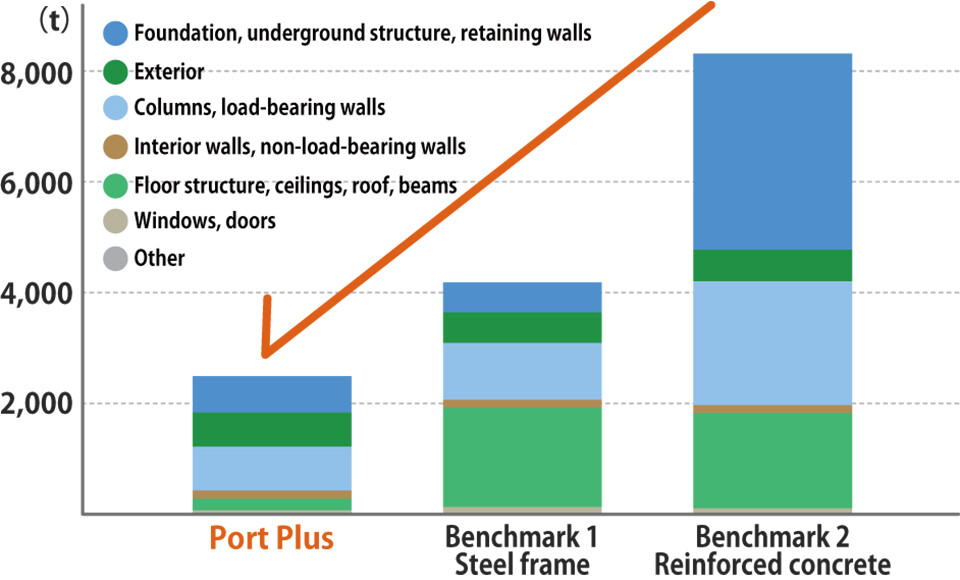
Comparison of CO2 equivalents
- *4 The estimate is calculated based on the Forestry Agency's guideline on visualizing the amount of CO2 absorbed or fixed through forest management and timber use.
- *5 The estimate is calculated based on the Forestry and Forest Products Research Institute's chart of the average amount of carbon absorbed (fixed) by forests.
- *6 Life cycle assessment (LCA) calculation
A means of quantitatively assessing the impact of a product on the environment over its entire life cycle, from the harvesting or extraction of raw materials to disposal or recycling.
Note: This page reflects information as of June 2024.