



FOCUS: Design Stories
Kumamoto Castle Main Tower
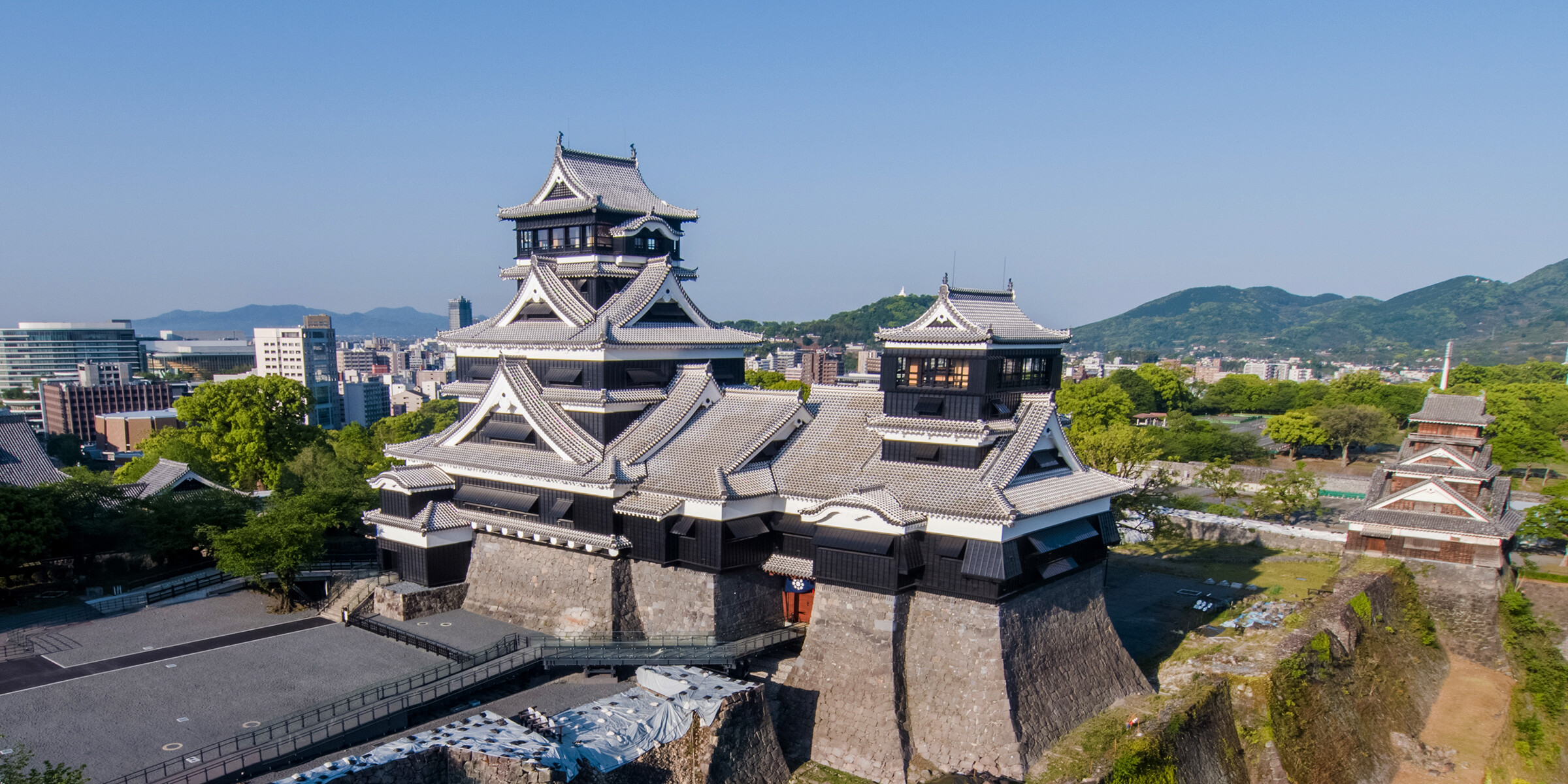
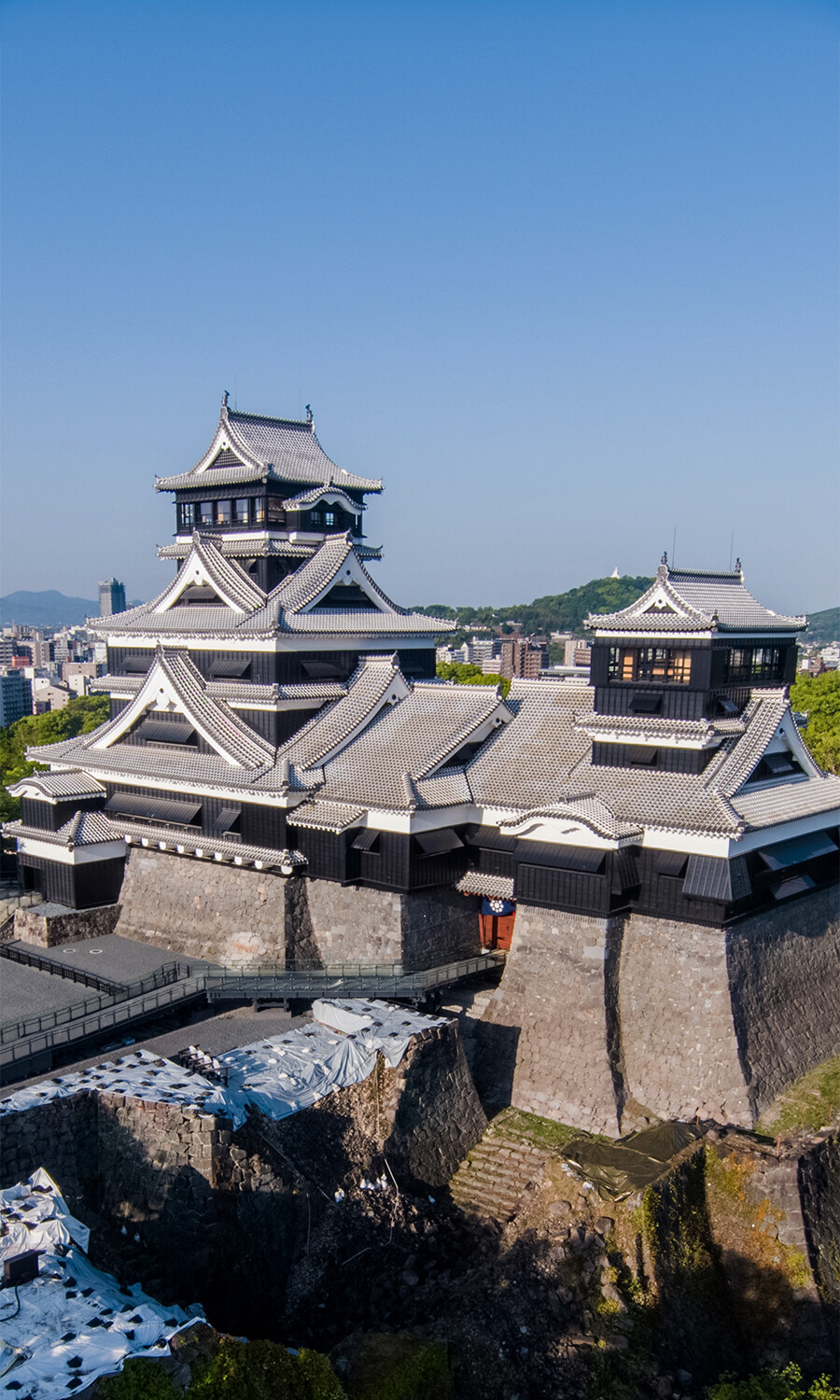

The Symbol of Recovery: An Indomitable Castle Reconstructed Time and Again
Kumamoto Castle is a renowned fortress built in 1607 by the feudal lord Kato Kiyomasa. Set on a small hill in the heart of Kumamoto City, it has long been cherished by residents as an emotional anchor.
The original main tower burned down in 1877 during the Satsuma Rebellion. The tower standing today was rebuilt by Obayashi in 1960.
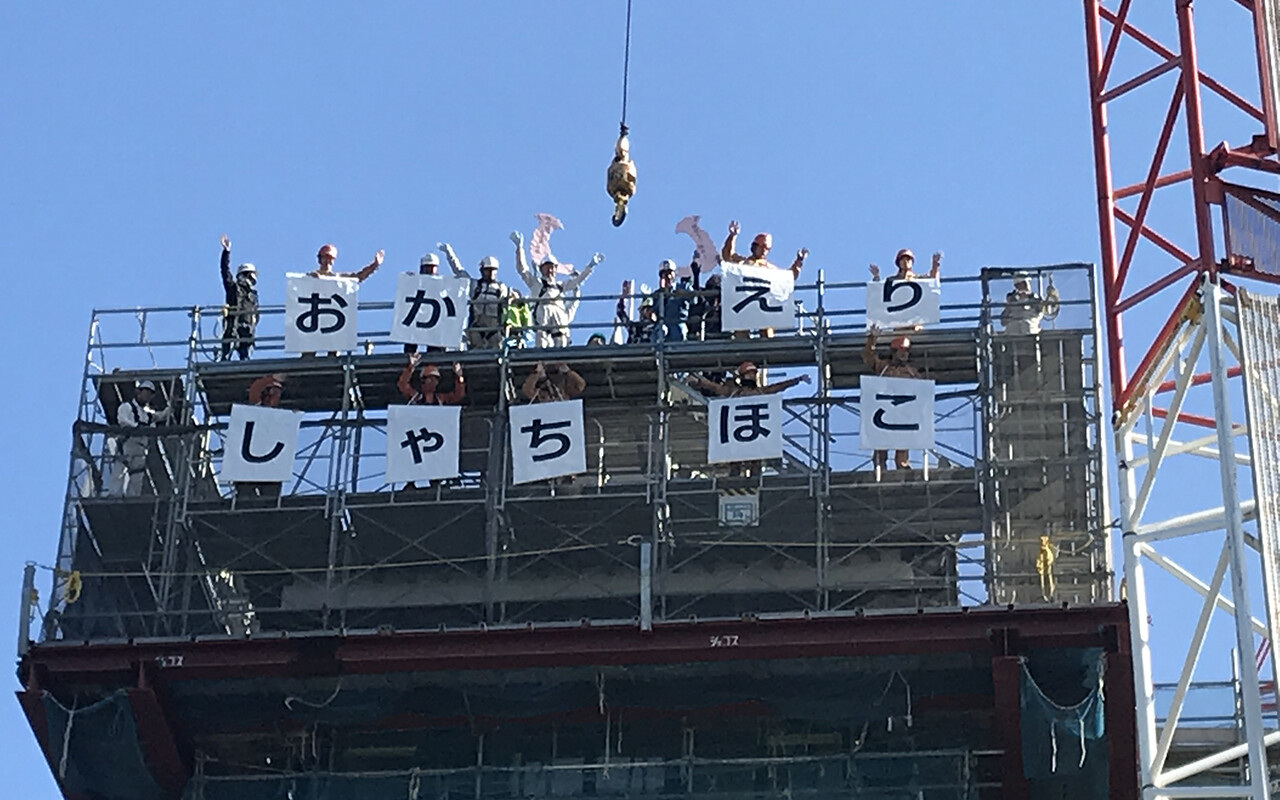
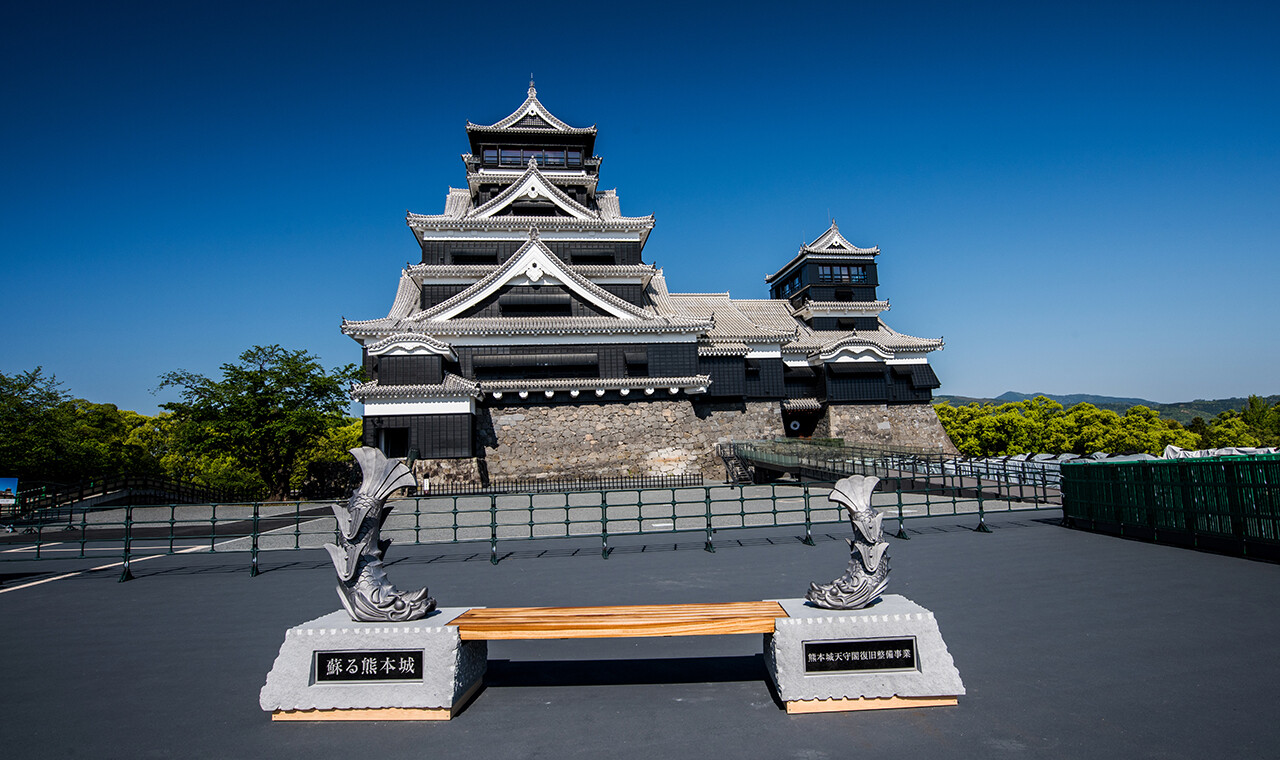
In April 2016, the Kumamoto Earthquakes inflicted extensive damage on stone-wall foundations, fences, and buildings throughout the grounds, and, in response to strong calls from local residents and supporters across Japan and overseas, Obayashi undertook two projects—the Kumamoto Castle Main Tower Restoration Project and Restoration Works of Iidamaru Five-Story Turret—and restored the structures' external appearance while incorporating structural reinforcements and safety features.
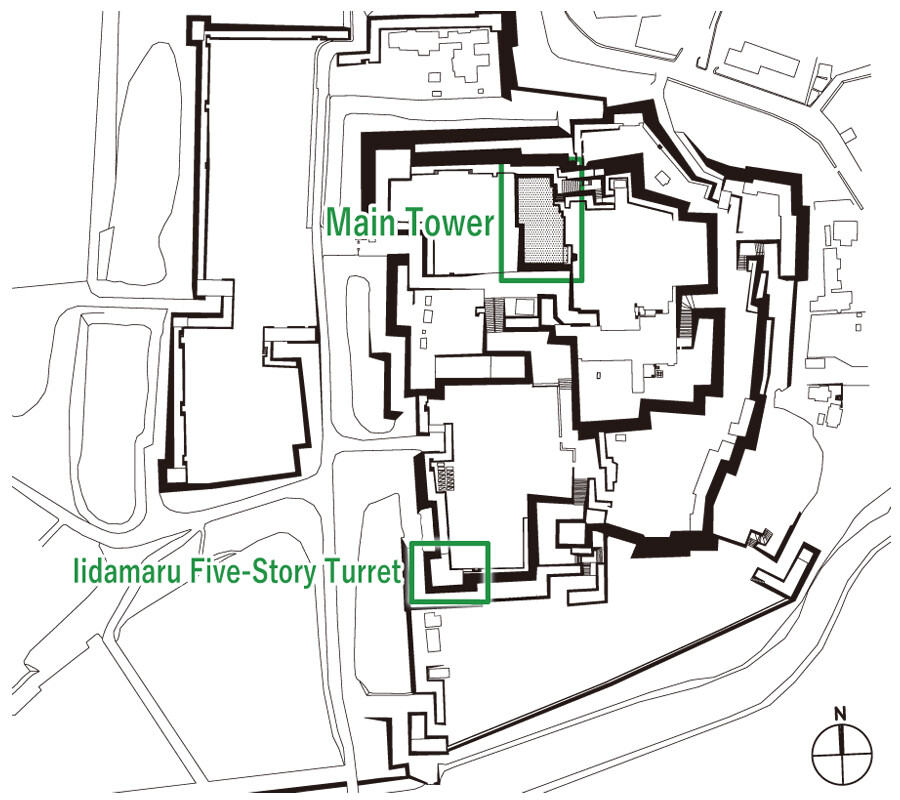
Over more than 400 years, Kumamoto Castle has repeatedly faced natural disasters. Each time, it has been repaired and brought back to life through the efforts of the domain's lords and the city's residents. The following outlines the full scope of the Kumamoto Castle Main Tower Restoration Project.
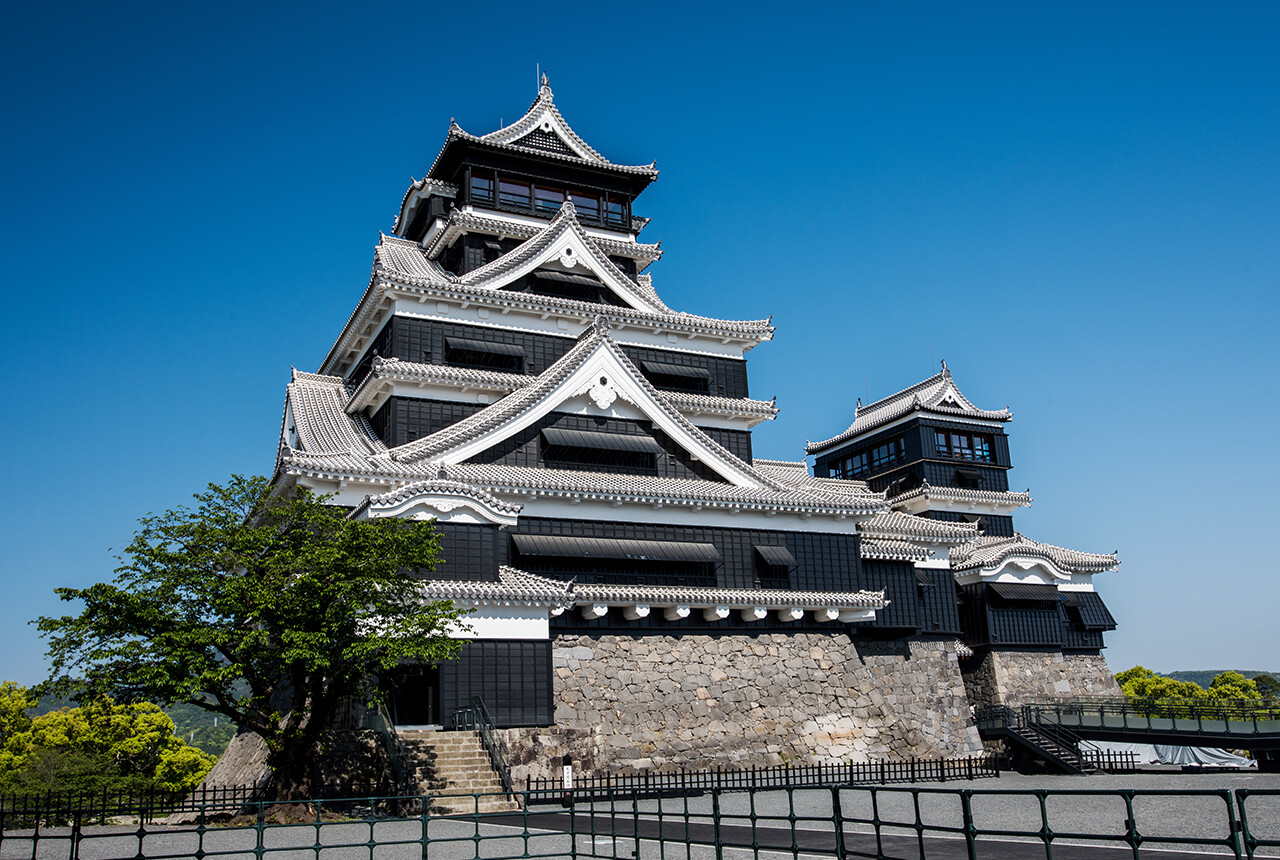
Seismic Retrofitting to Restore Kumamoto Castle as a Resilient Building
The castle main tower stands at the highest elevation within the castle grounds. Comprising the larger keep tower and the small keep tower, the section below ground level—including the stone-wall foundation—is designated as a Special Historic Site.
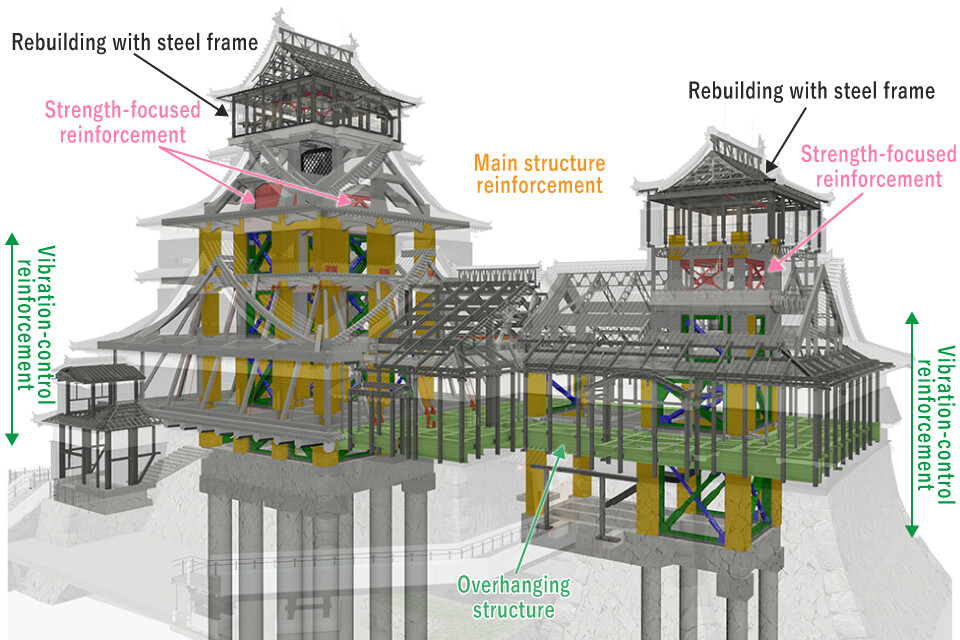
Because of concerns that seismic loads on the drilled-shaft foundations supporting the structure from below ground would increase during earthquakes, vibration-control reinforcements were introduced so the superstructure could dissipate seismic energy.
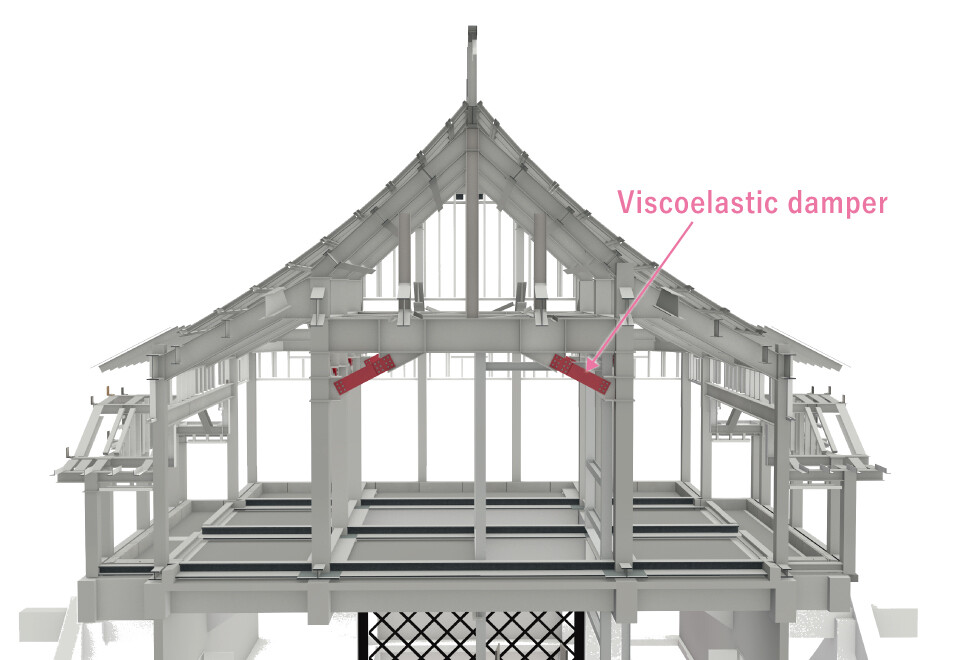
The top floor—heavily damaged by the earthquakes—was reconstructed in steel, while the intermediate floors (each roughly three meters in story height) were upgraded with strength-focused reinforcement using technologies such as 3Q-Brace and 3Q-Wall. In this way, construction methods were selected to suit the conditions of each level and area.
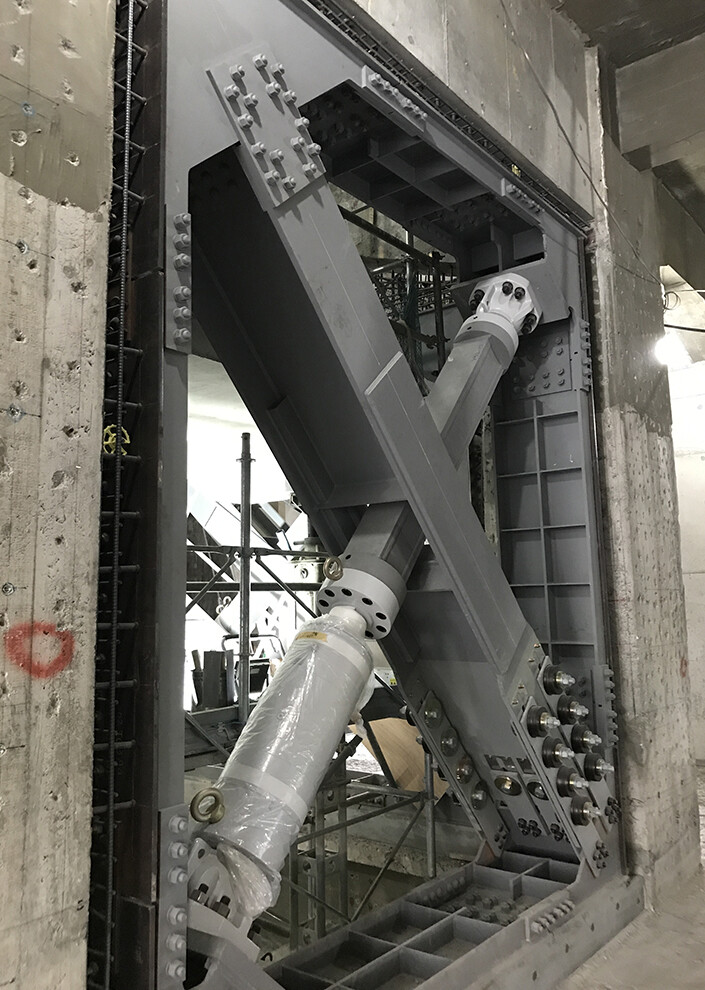
In addition, to achieve high earthquake resistance while preserving smooth circulation within the exhibition facility, Obayashi developed and installed the Cross Damper, a compact device with a minimal footprint.
Faithful Restoration of the Exterior
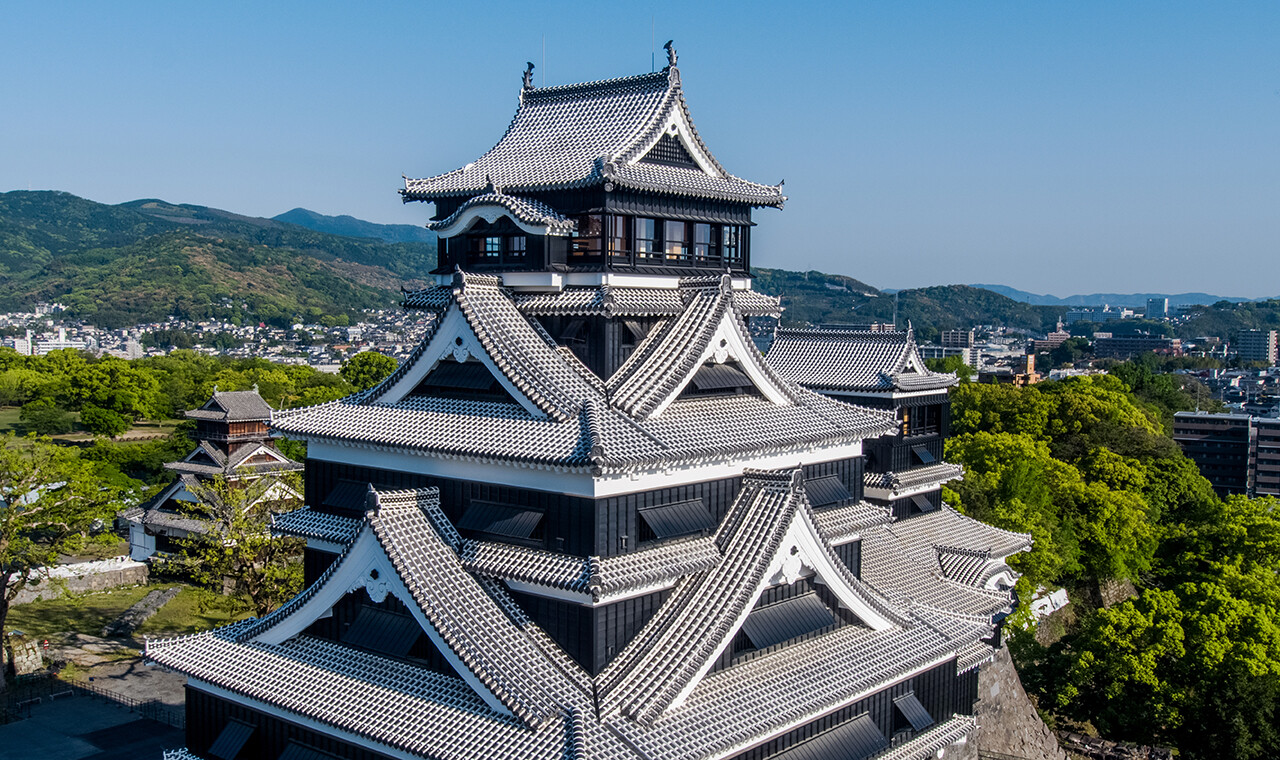
Among the castle's surviving historical drawings, only one cross-section drawing of the top portion of the larger keep tower remained. Furthermore, because many roof tiles fell during the earthquakes, the precise pre-disaster roof shape and curvature were unknown.
To restore the main tower faithfully, we made extensive use of 3D point‑cloud data captured from both exterior and interior measurements. For the larger keep tower, we overlaid a detailed cross-section recreated from the old drawing with a design drawing generated from the point cloud and verified that the tower's appearance matched that of 1960.
-
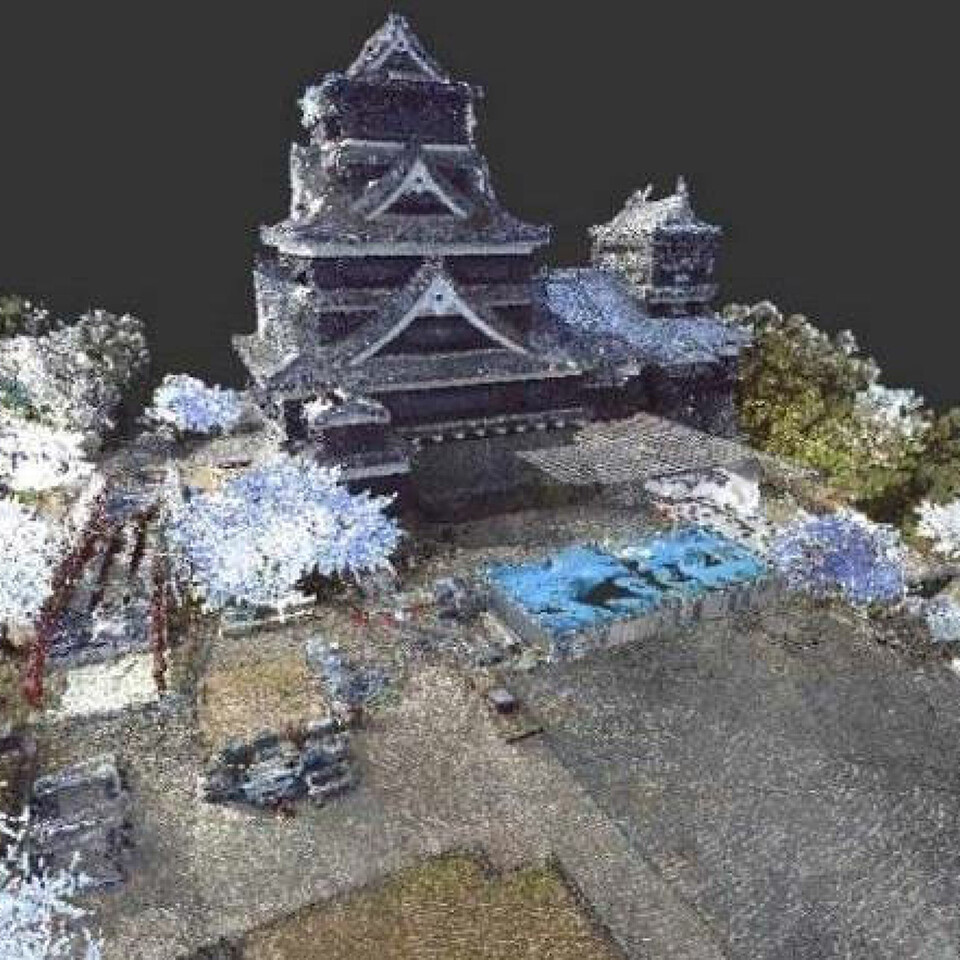
Point-cloud data created through 3D measurement after the Kumamoto Earthquakes
-
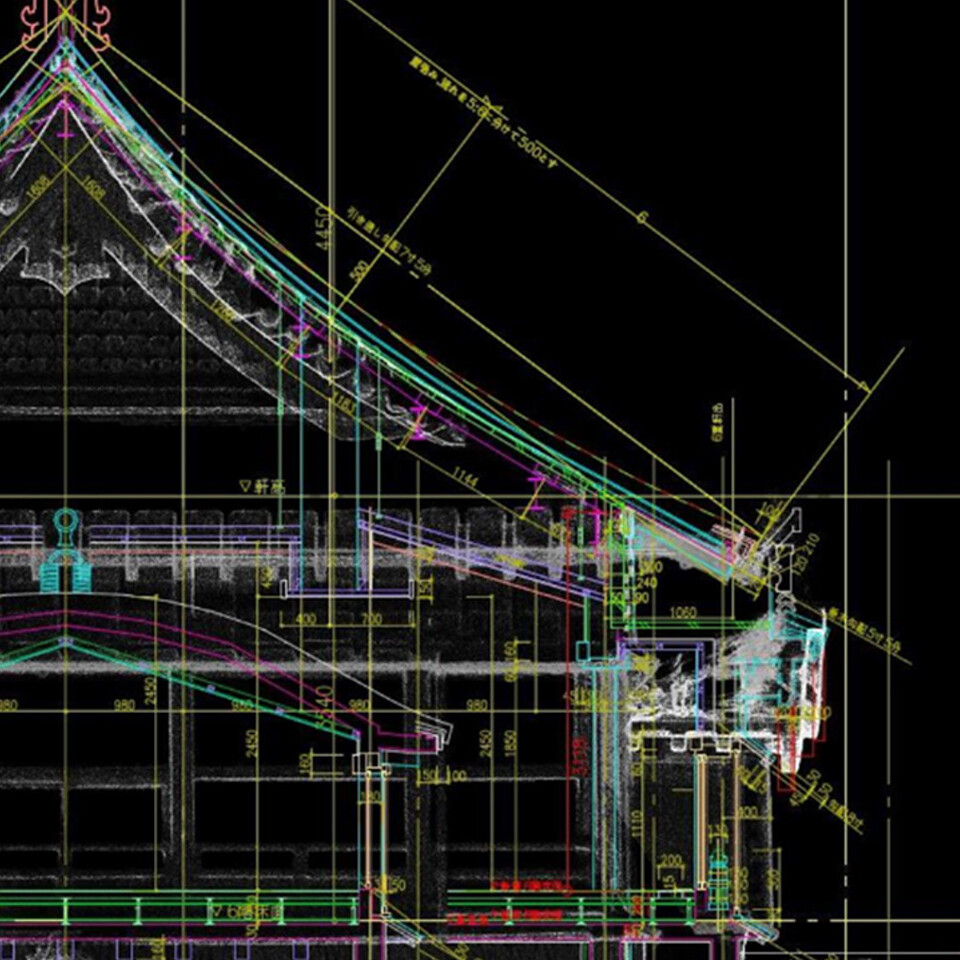
Detailed cross-section drawing recreated based on an old drawing and point-cloud data
The 1960 Restoration of the Main Tower
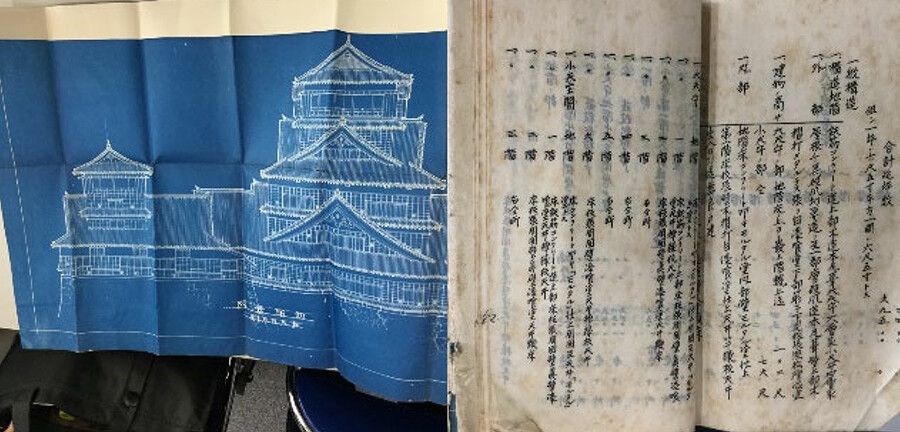
In the structural design for the 1960 restoration, the image of the original castle was reconstructed through analog methods using existing drawings and pre‑Satsuma Rebellion photographs with distortion correction.
The wooden model created at that time is on display inside the tower.
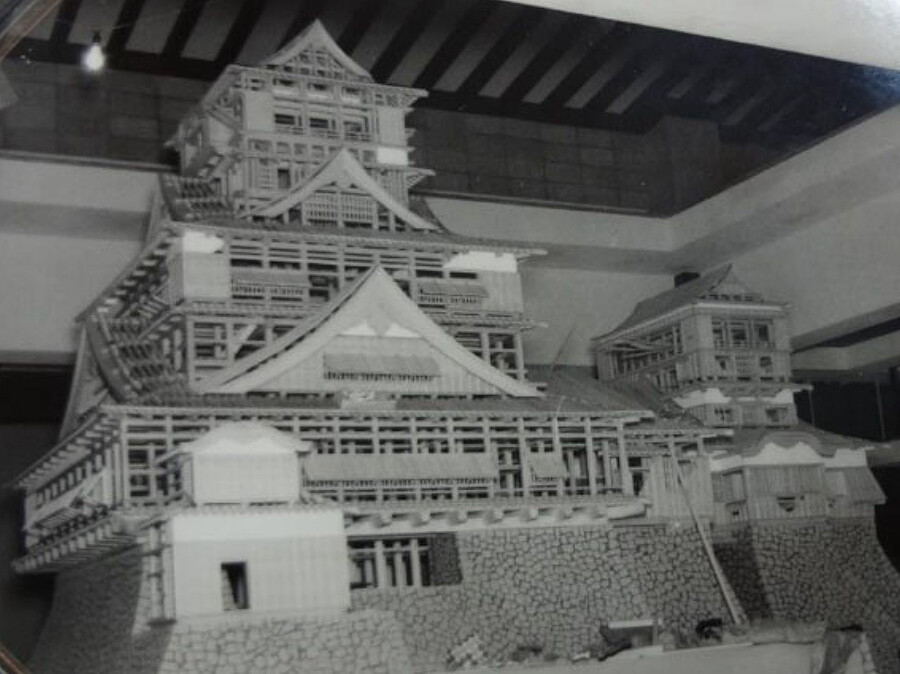
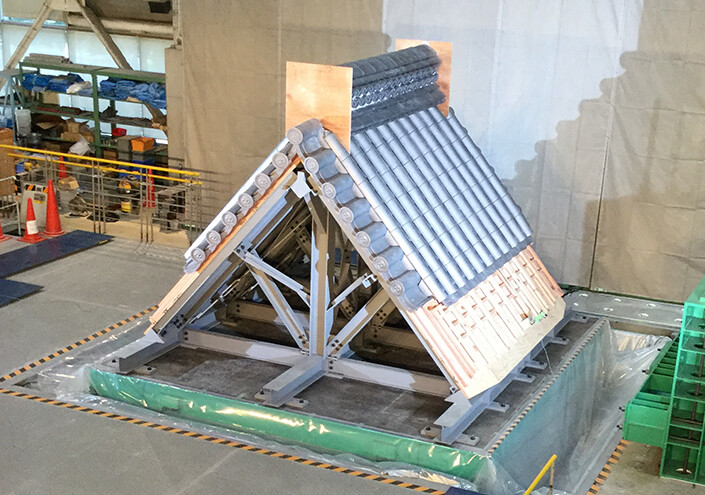
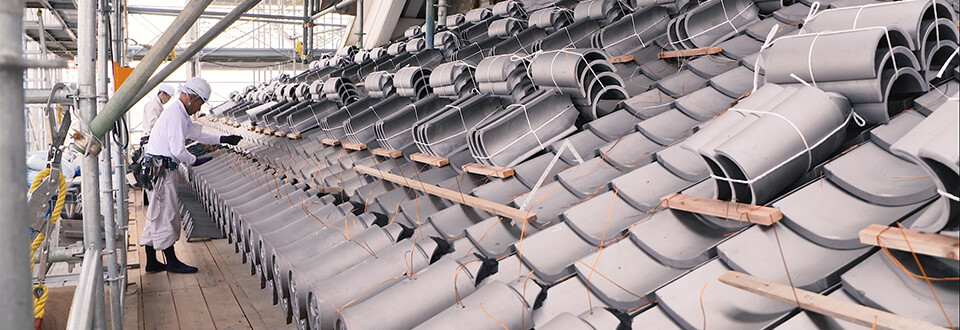
Because many of the roof tiles were damaged in the earthquakes, each tile was examined and reusable tiles were selected and combined with newly manufactured lightweight clay tiles. We gathered extensive pre‑earthquake materials to support accurate external reconstruction, and advanced the restoration with input from the Committee for the Preservation and Utilization of the Special Historic Site of Kumamoto Castle, a body highly knowledgeable about castle structures.
-
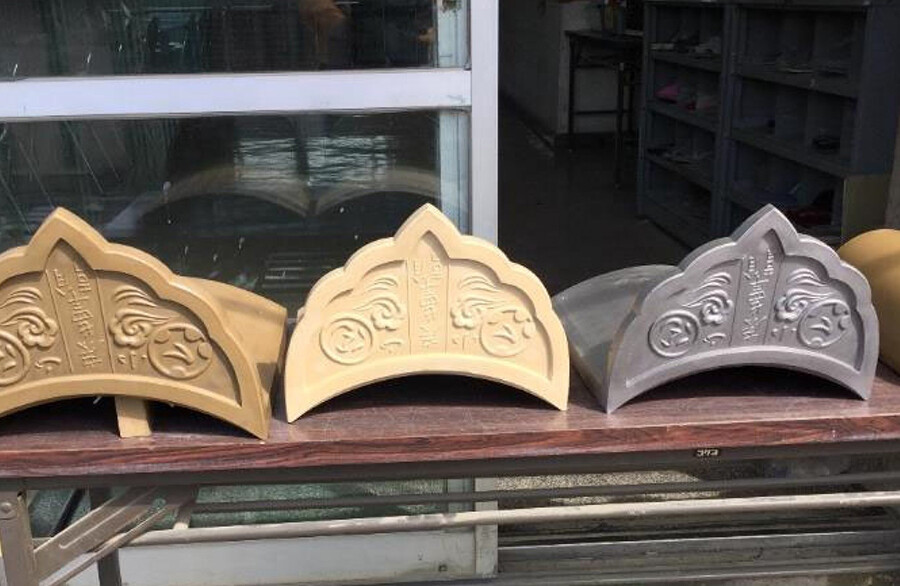
Replacement tiles were newly manufactured in Tenri City, Nara Prefecture. From left: shaped / dried / fired.
-
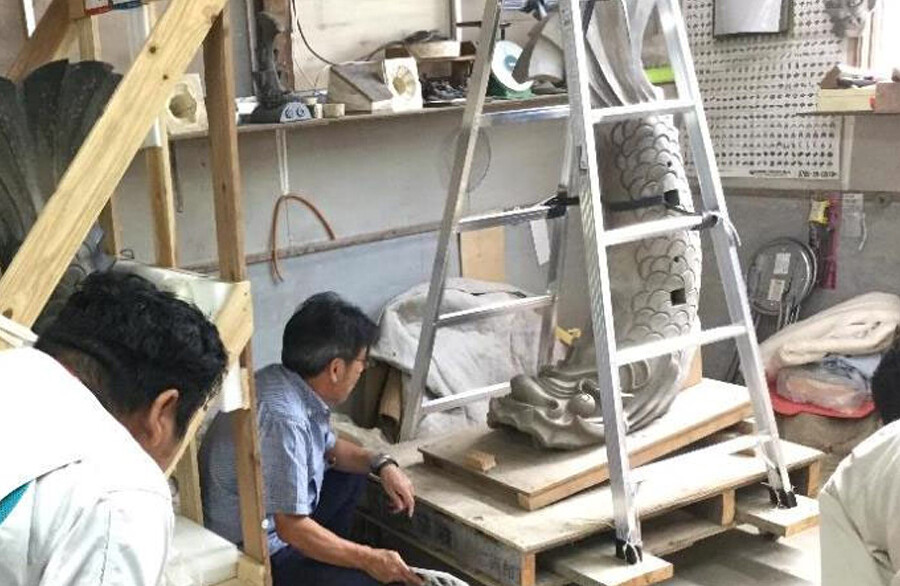
The shachihoko—mythical, fish-shaped roof ornaments—damaged in the earthquakes, were remade by a master decorative-tile craftsman working in Kumamoto Prefecture.
Protecting Visitors and Creating Comfortable Spaces
Ensuring Safety in the Event of Earthquakes and Fires
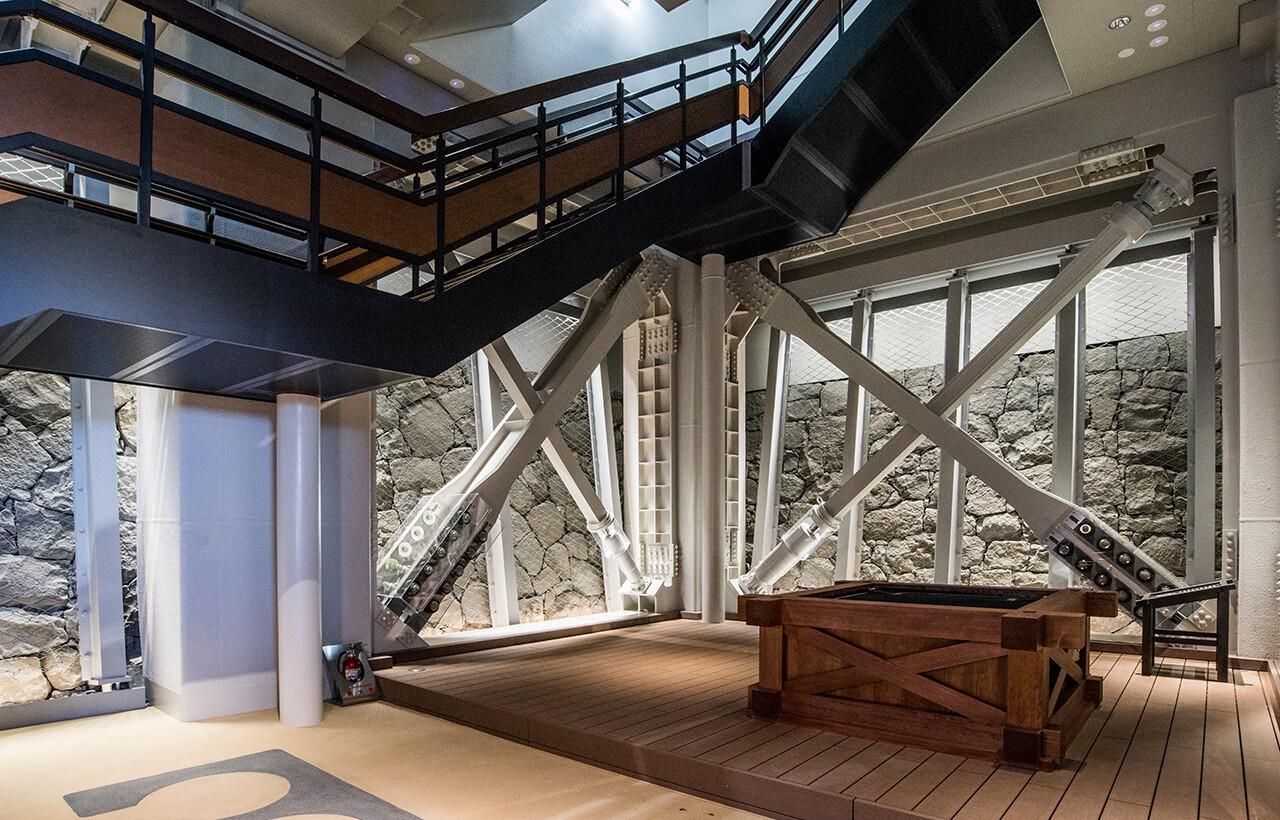
Because the stone-wall foundation supporting the main tower sustained heavy damage in the earthquakes, collapse‑prevention fencing was newly installed along the inner perimeter of the basement‑level walls to protect visitors.
To ensure safe evacuation in the event of a fire, fire shutters were installed to form fire compartments and create a fire‑isolated stairway. In evacuation simulations, people requiring assistance (such as wheelchair users and the elderly) temporarily waited for rescue in the fire-isolated stairway, while other visitors completed evacuation via the stairs before firefighters arrived. Once on site, firefighters assisted those waiting to evacuate. These measures dramatically improved fire safety.
-
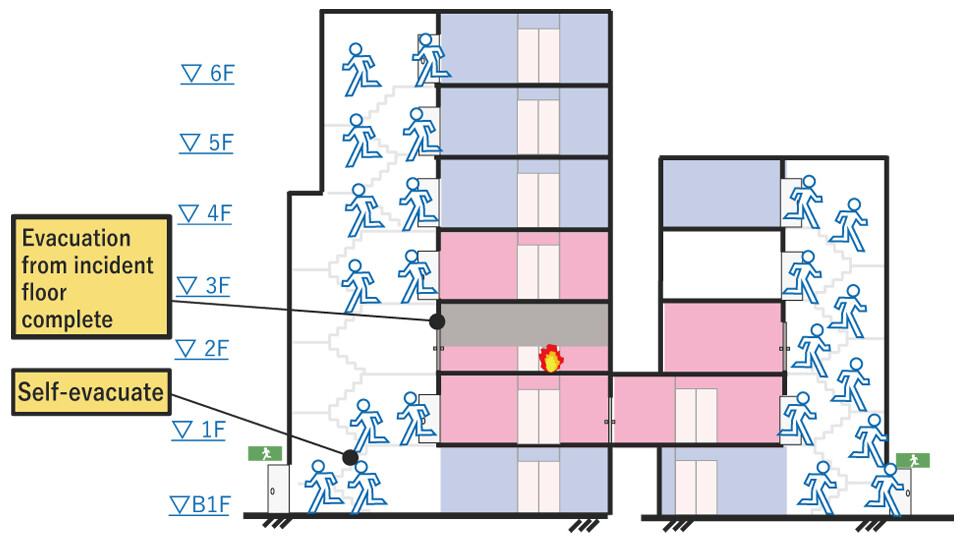
Evacuation of people not needing assistance
-
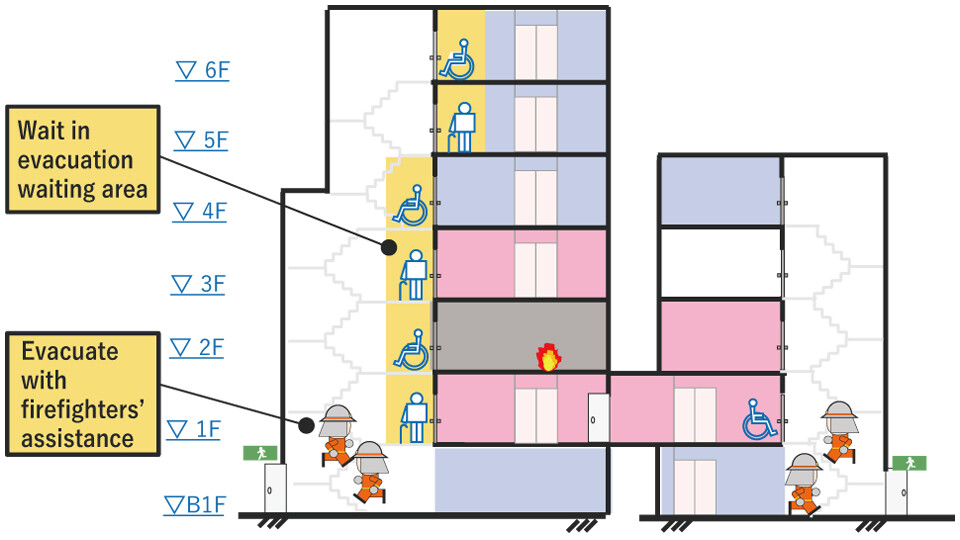
Evacuation of people requiring assistance
Simulation to verify evacuation safety
Creating Comfortable Spaces
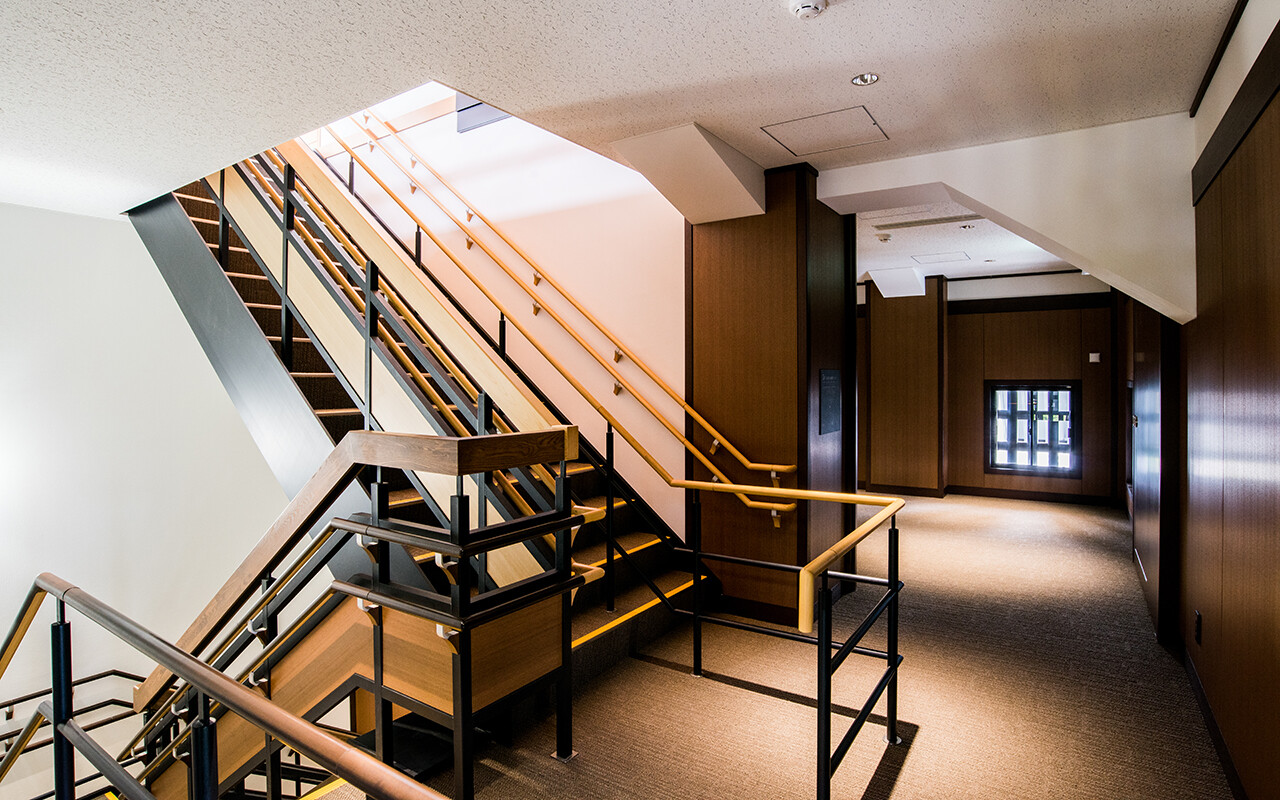
An accessible route was established as part of the restoration. New slopes and elevators for wheelchair users were installed.
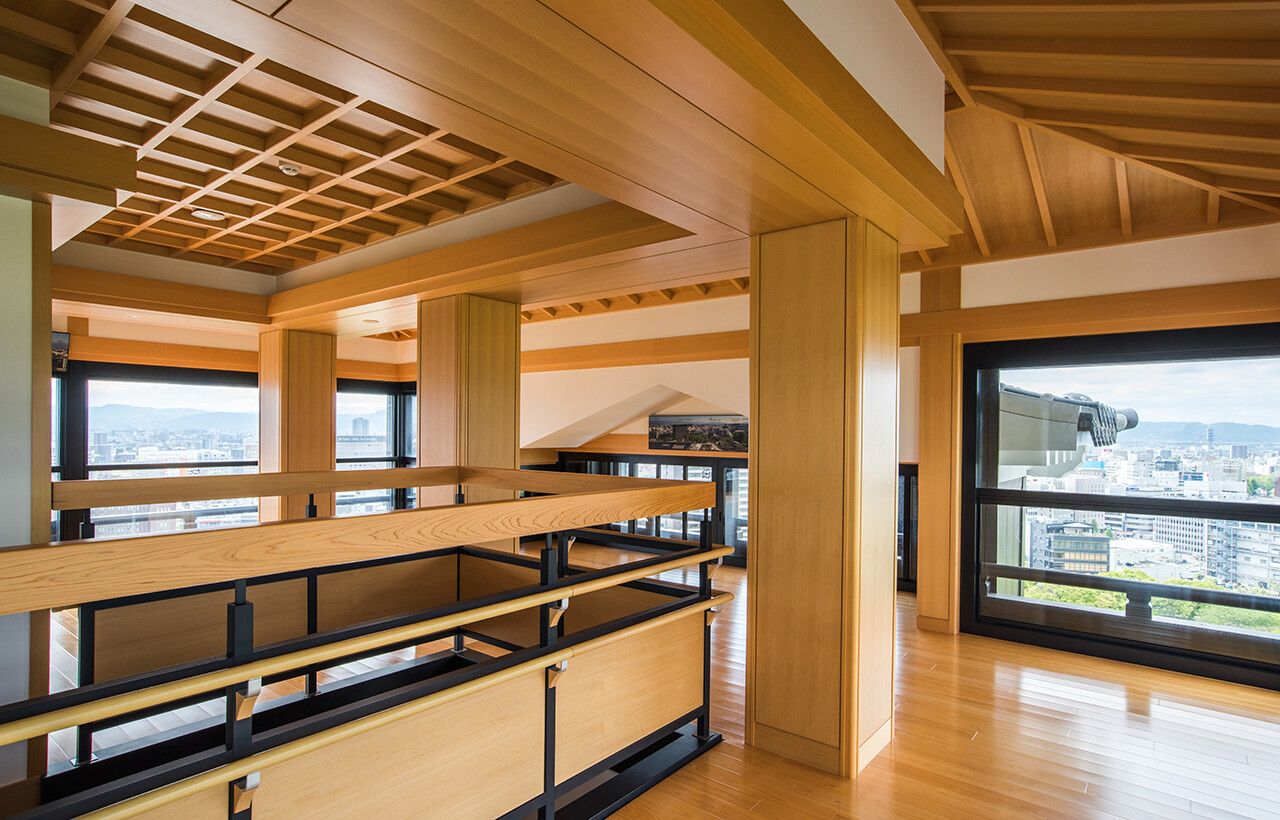
To maximize exhibition space, ducts, piping, and equipment were consolidated within a compact mechanical room near the top of the tower and in vertical shafts. This enhanced the facility's functionality as a museum setting, allowing maintenance during opening hours without disrupting visitor circulation or viewing.
Future expansion and upgrades through renovations have also been taken into consideration.
-
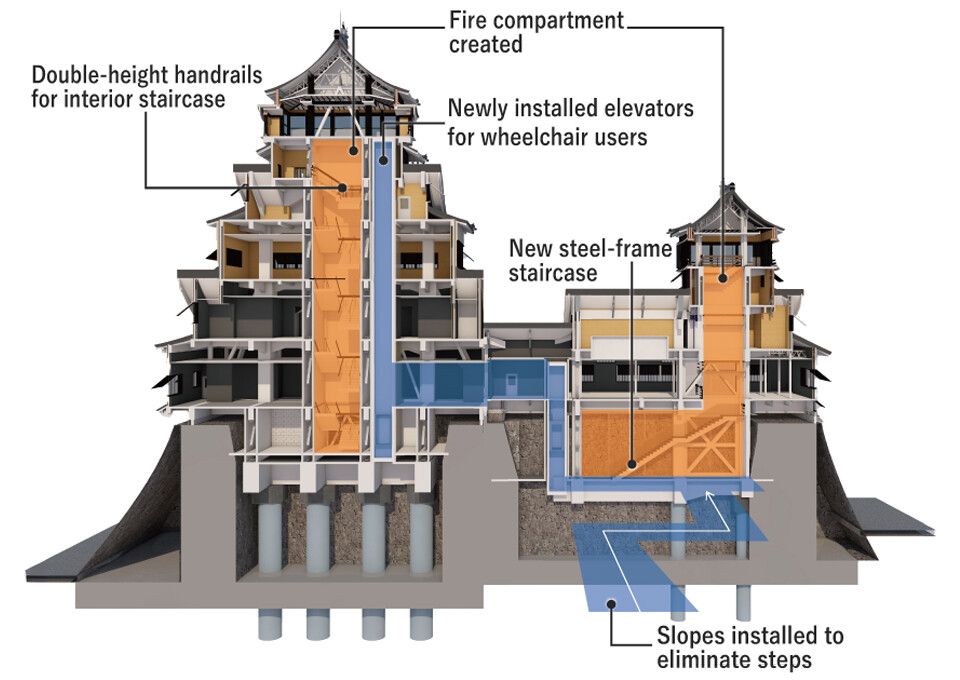
■: Newly established accessible route ■: Standard route
-
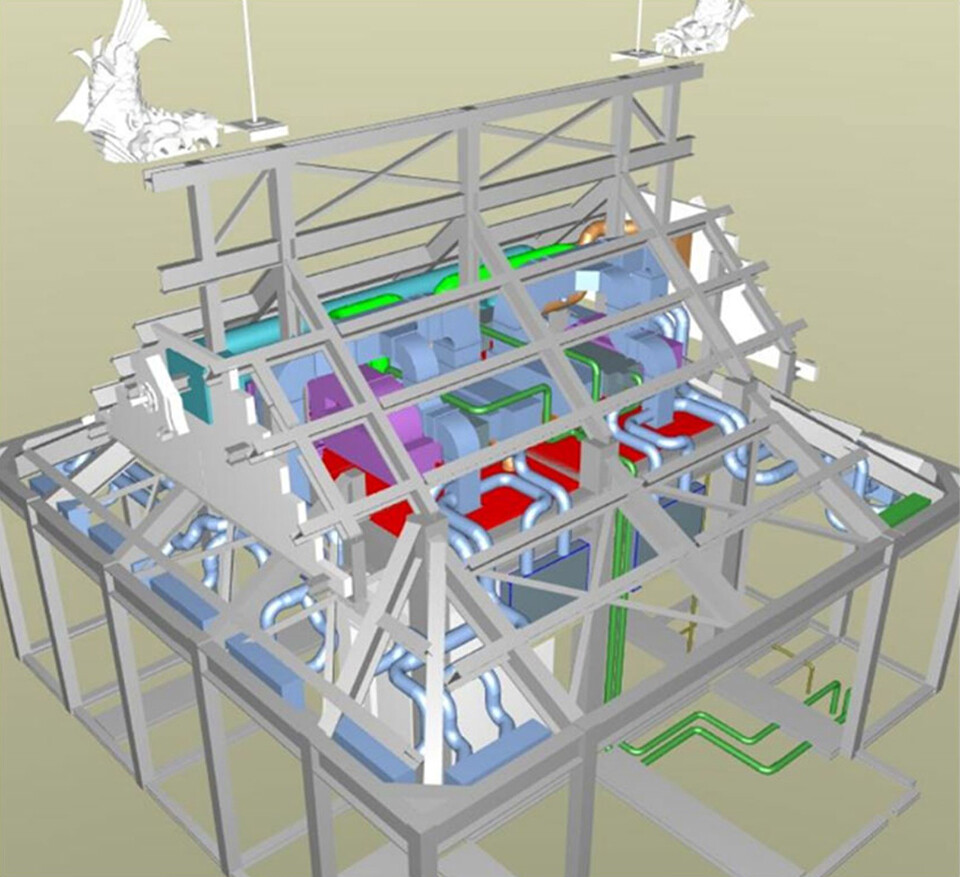
Equipment positioning and pipe routing were verified using building information modeling (BIM) and designed so that they would fit in small spaces such as the tower attic.
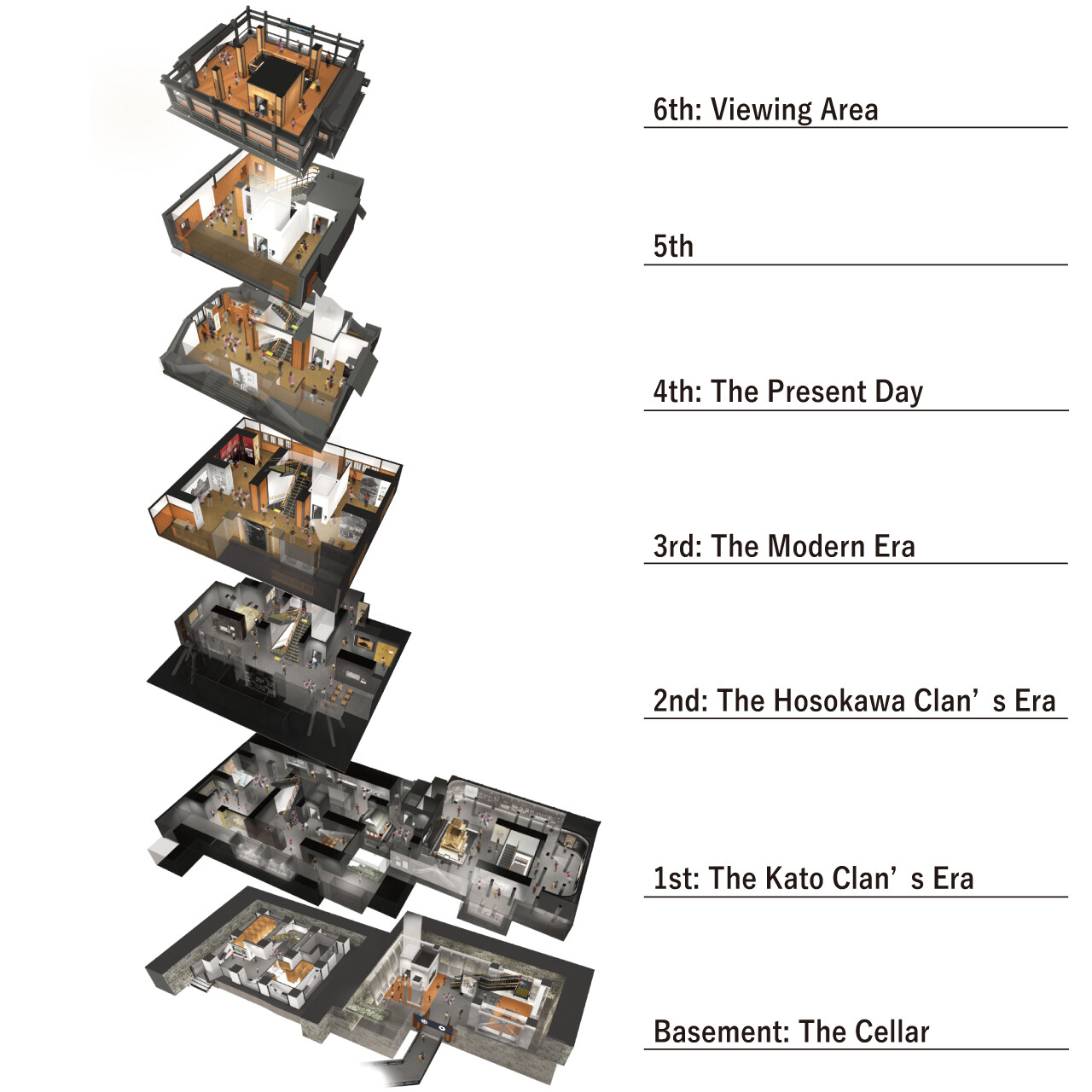
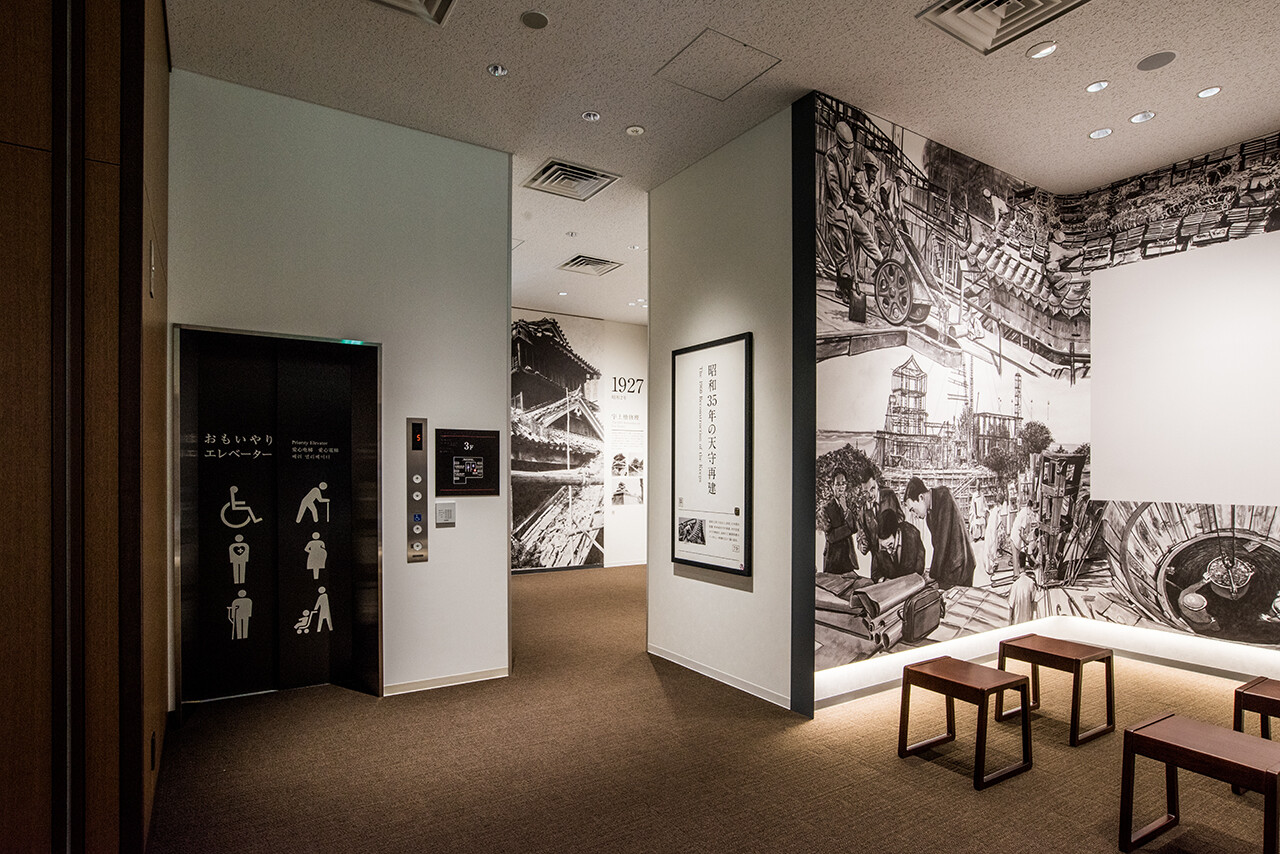
The interior exhibition narrates the story of the main tower—its construction by Kato Kiyomasa, the trials of disasters and fires, subsequent reconstructions, and the way this symbol of Kumamoto has been passed down through the ages along with the devotion of its supporters.
Note: This page reflects information as of September 2025.